| Optimization Design |
|


|
|
|
| Design and experiment of small joint cycloidal-pin-annulus reducer for robots |
Liyang CHEN1( ),Yangyi XIAO1(),Bingzhong ZENG1,Hongping HU2 ),Yangyi XIAO1(),Bingzhong ZENG1,Hongping HU2 |
1.College of Engineering, Huazhong Agricultural University, Wuhan 430070, China
2.UBTECH Robotics Co. Ltd. , Shenzhen 518000, China |
|
|
|
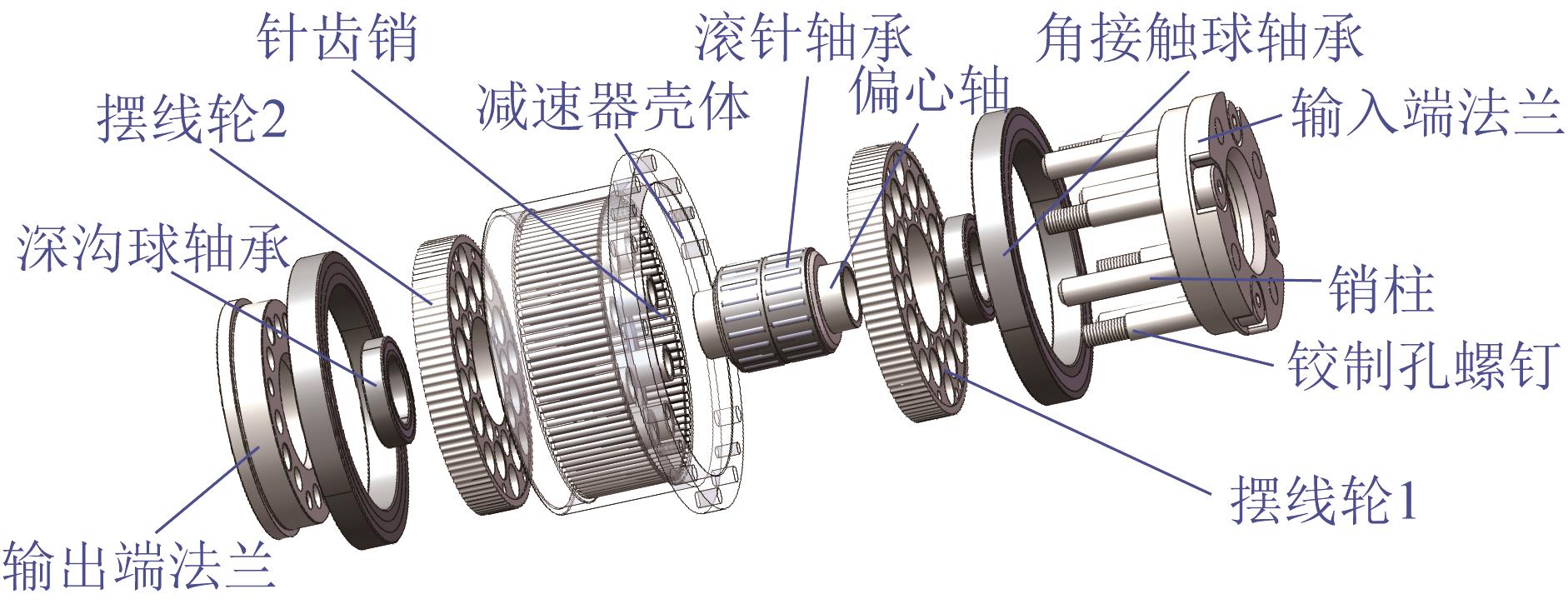
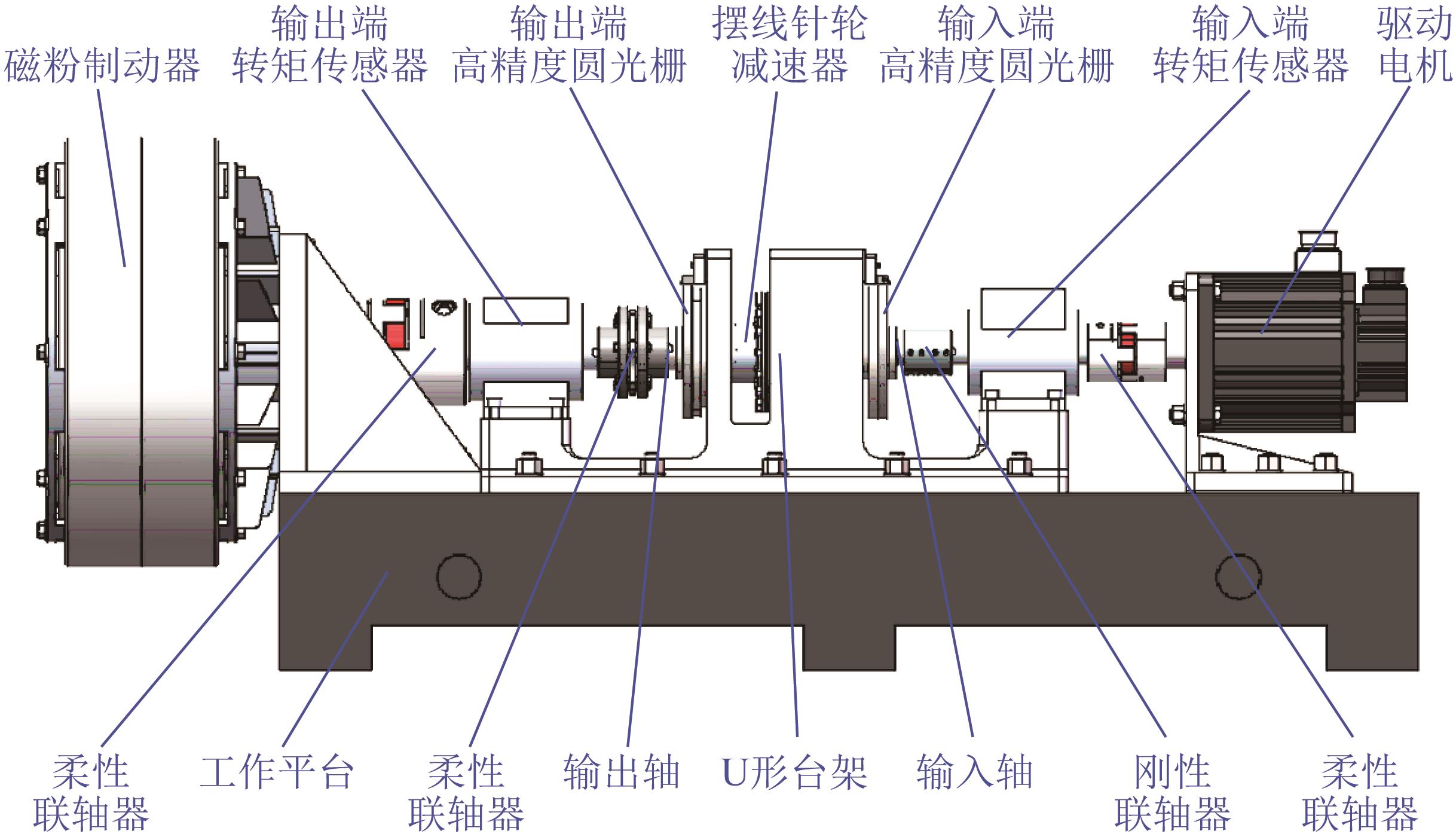
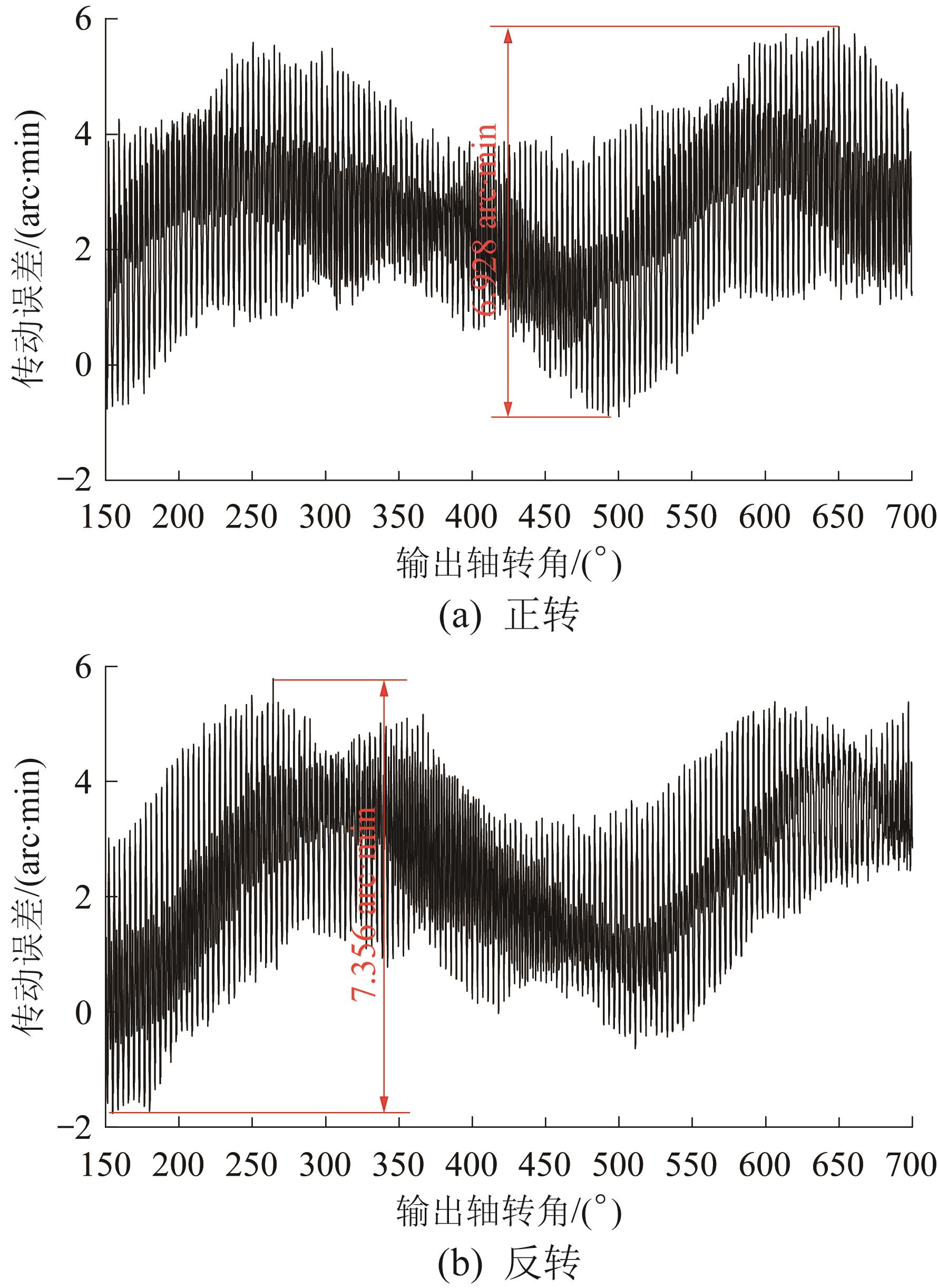
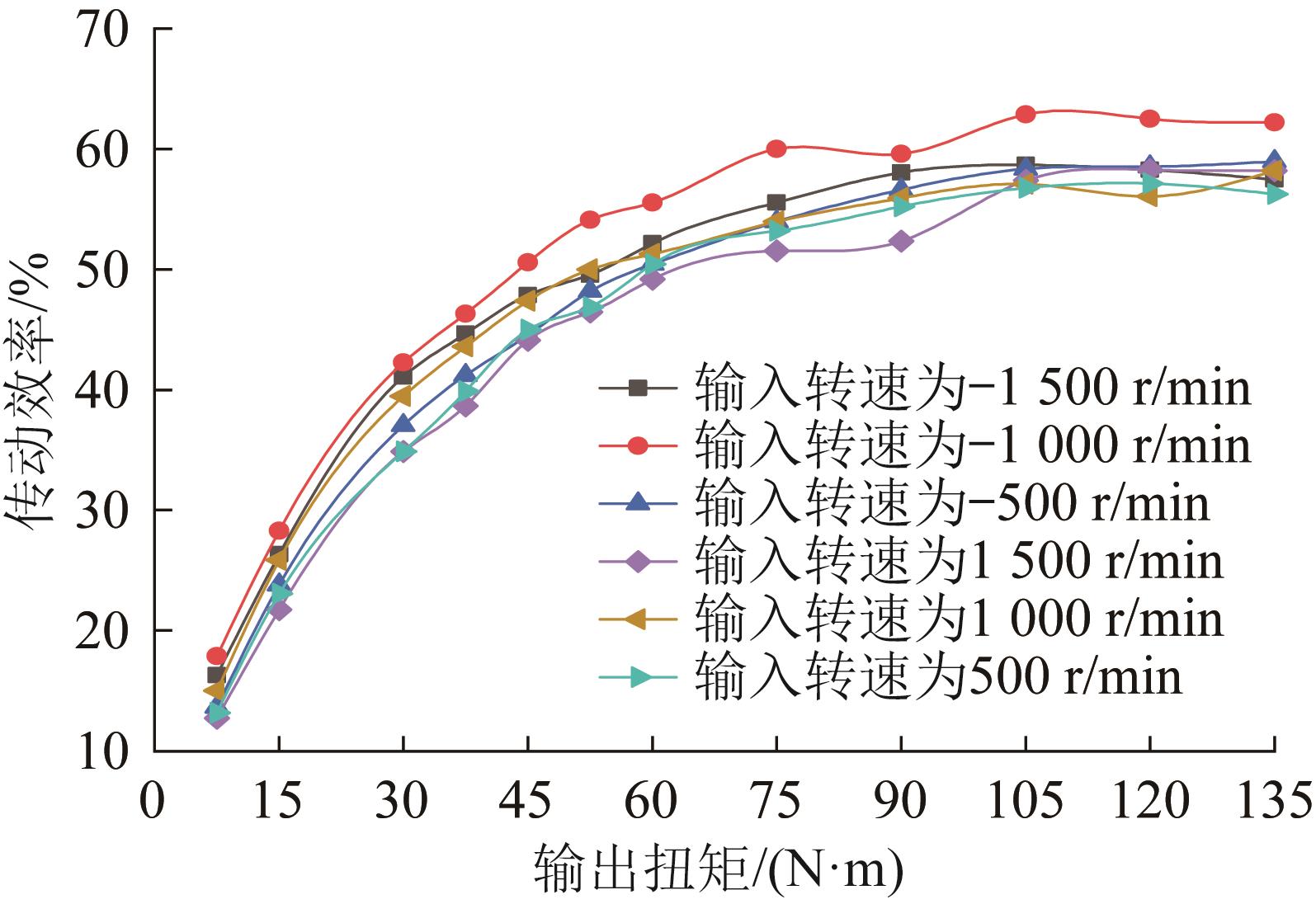
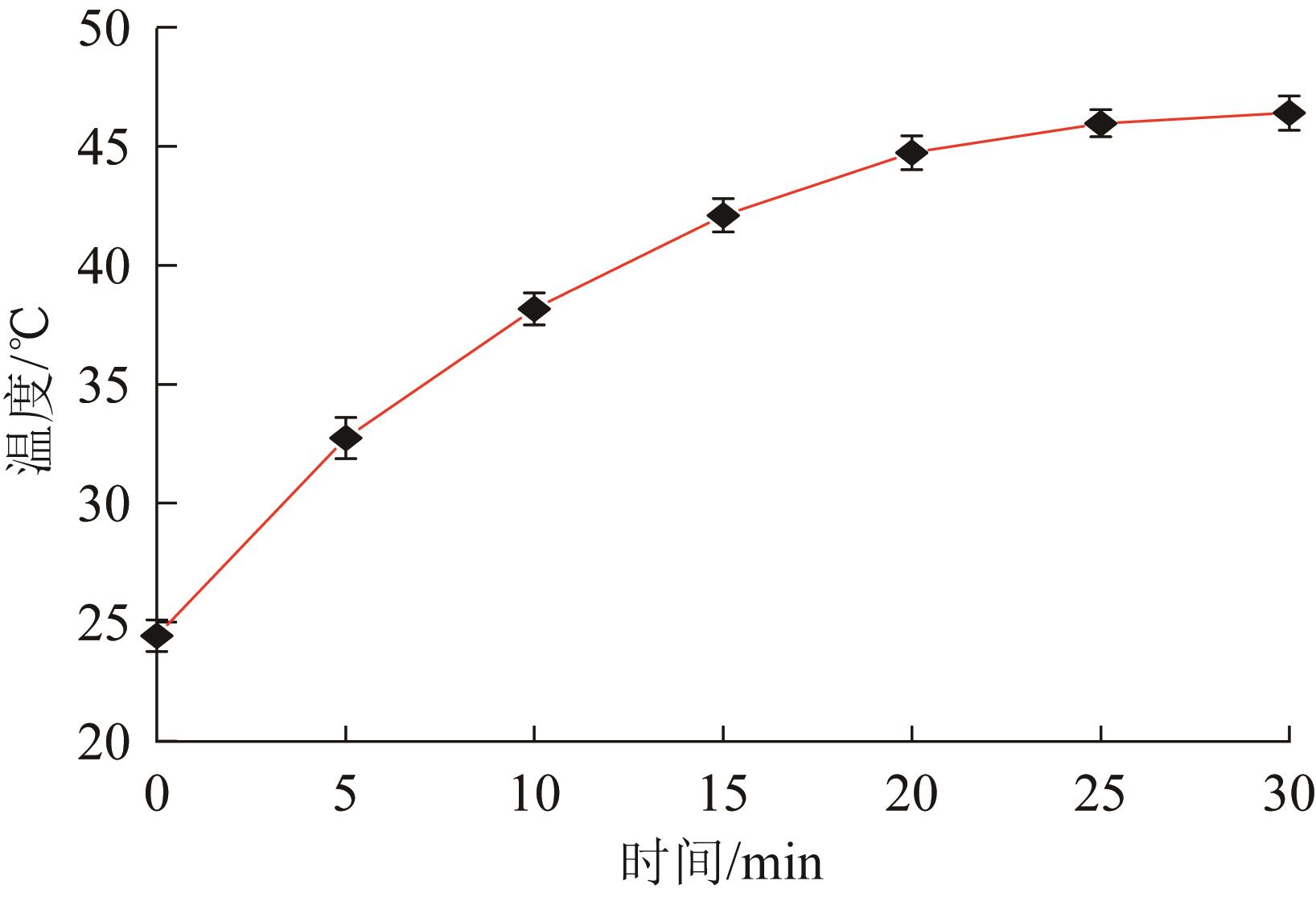
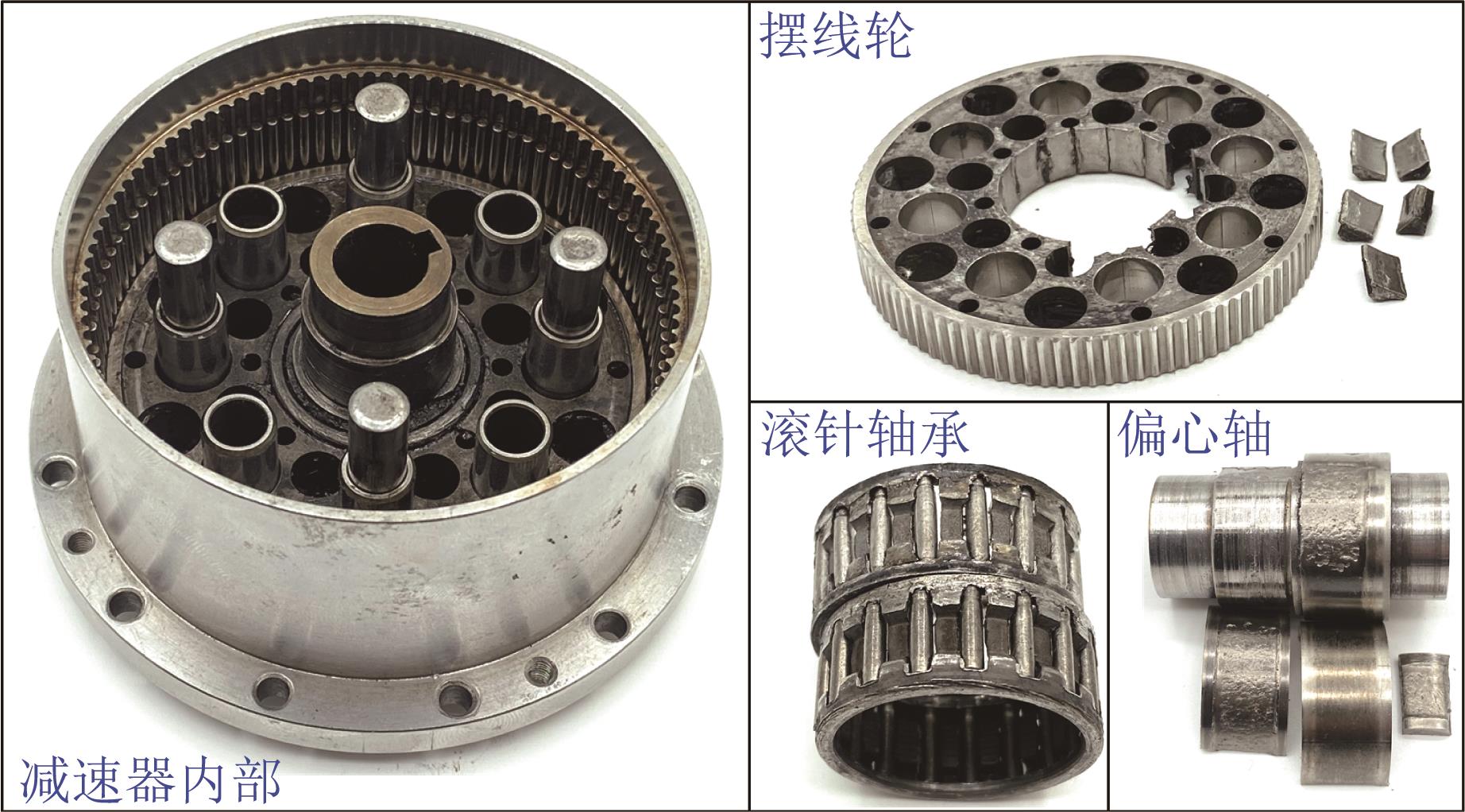
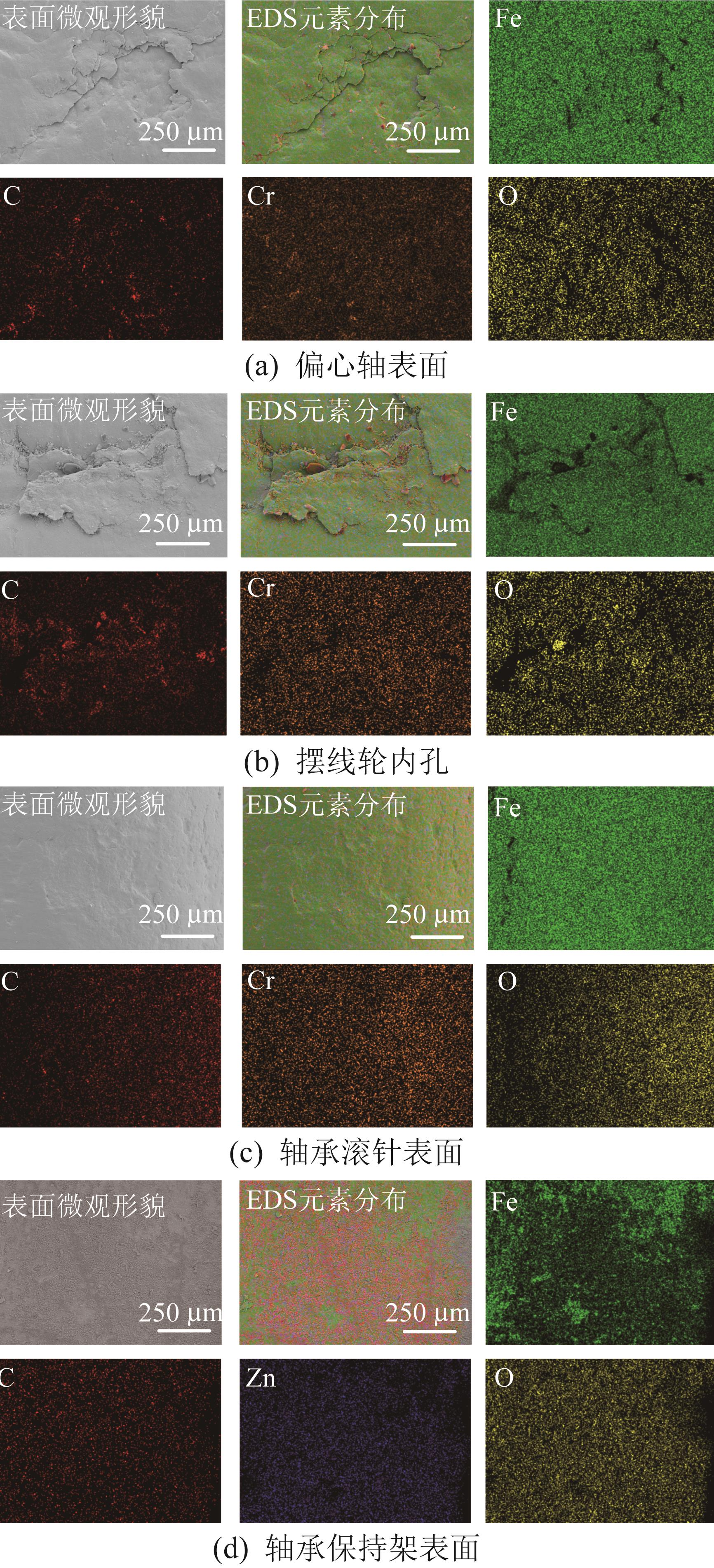
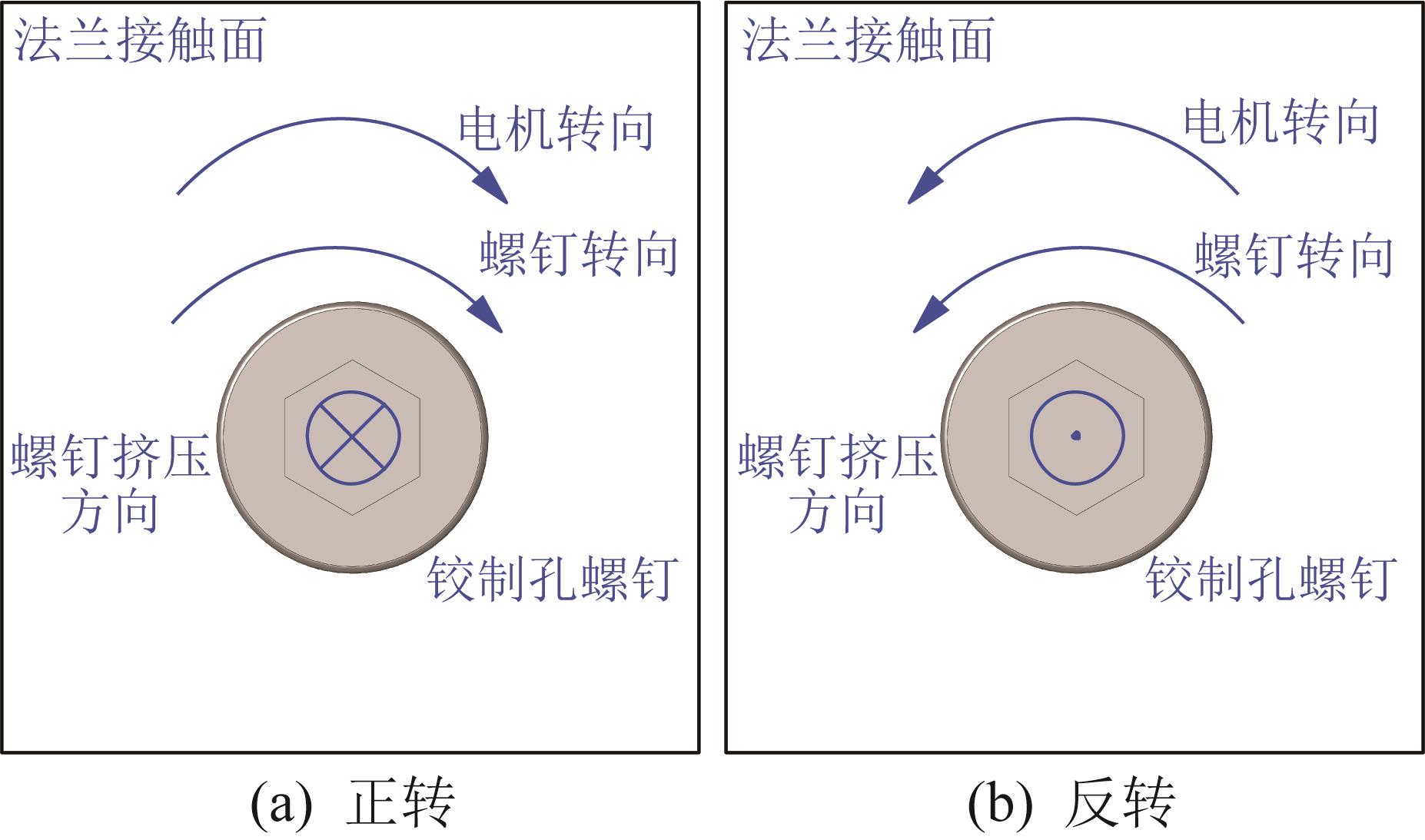
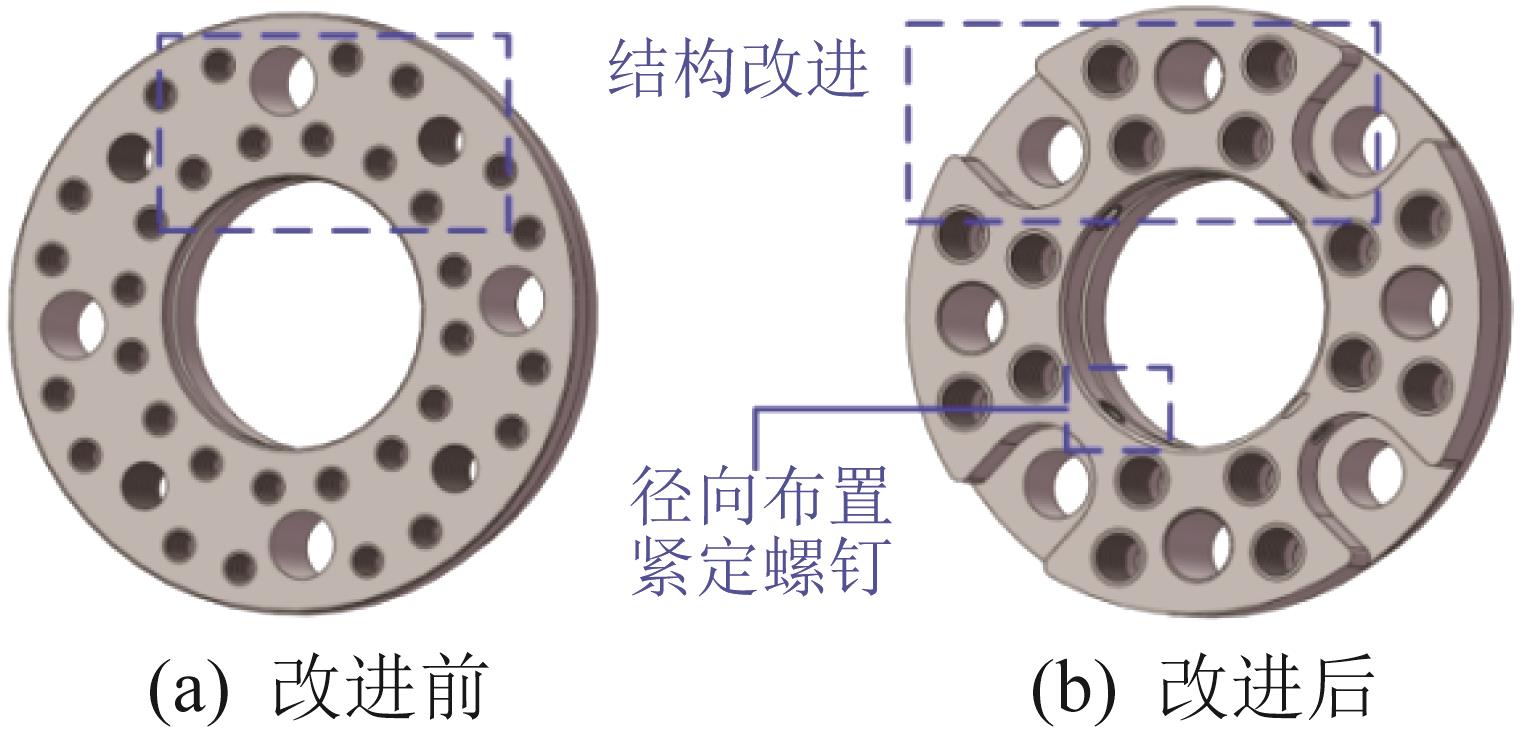
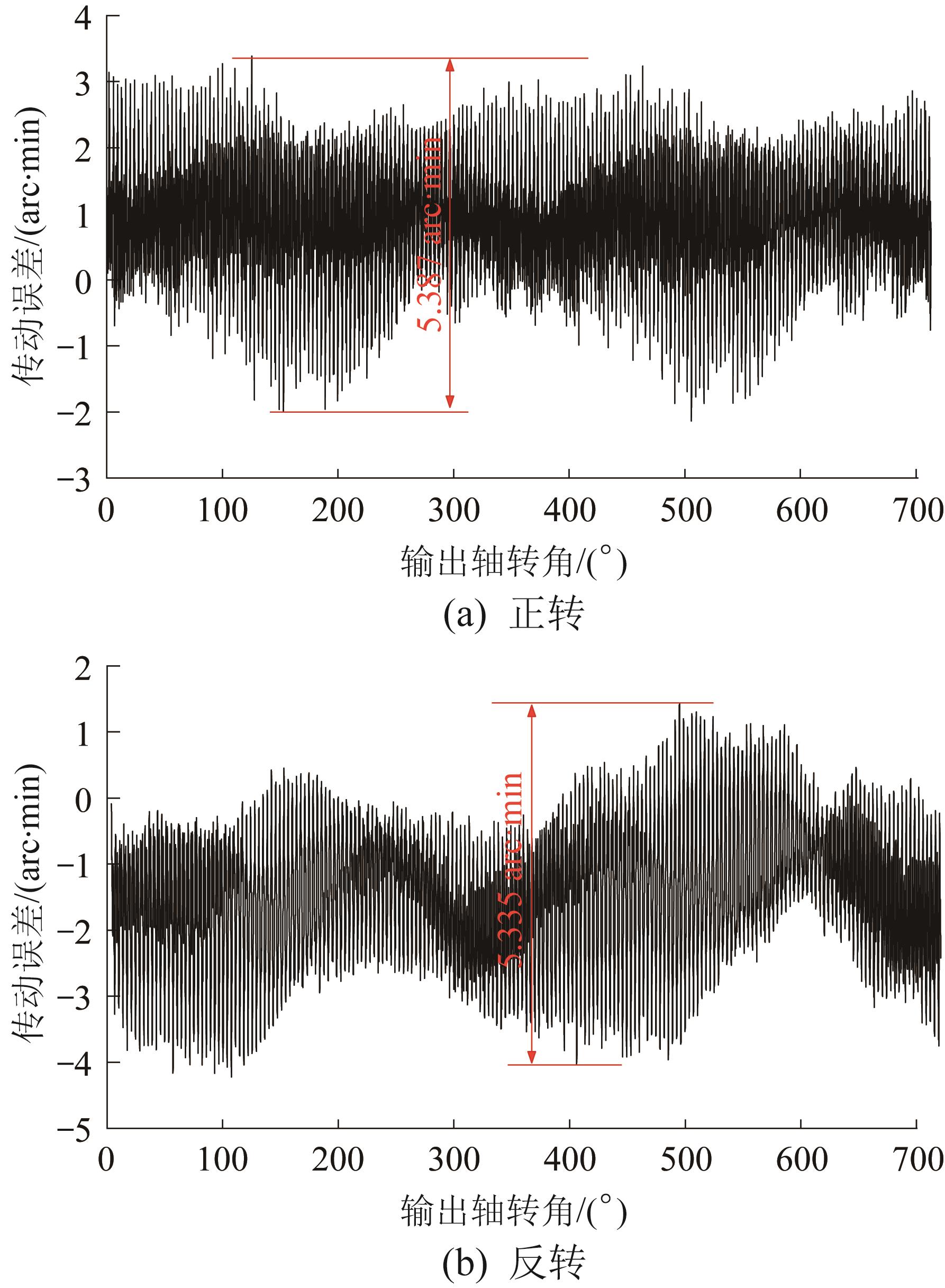
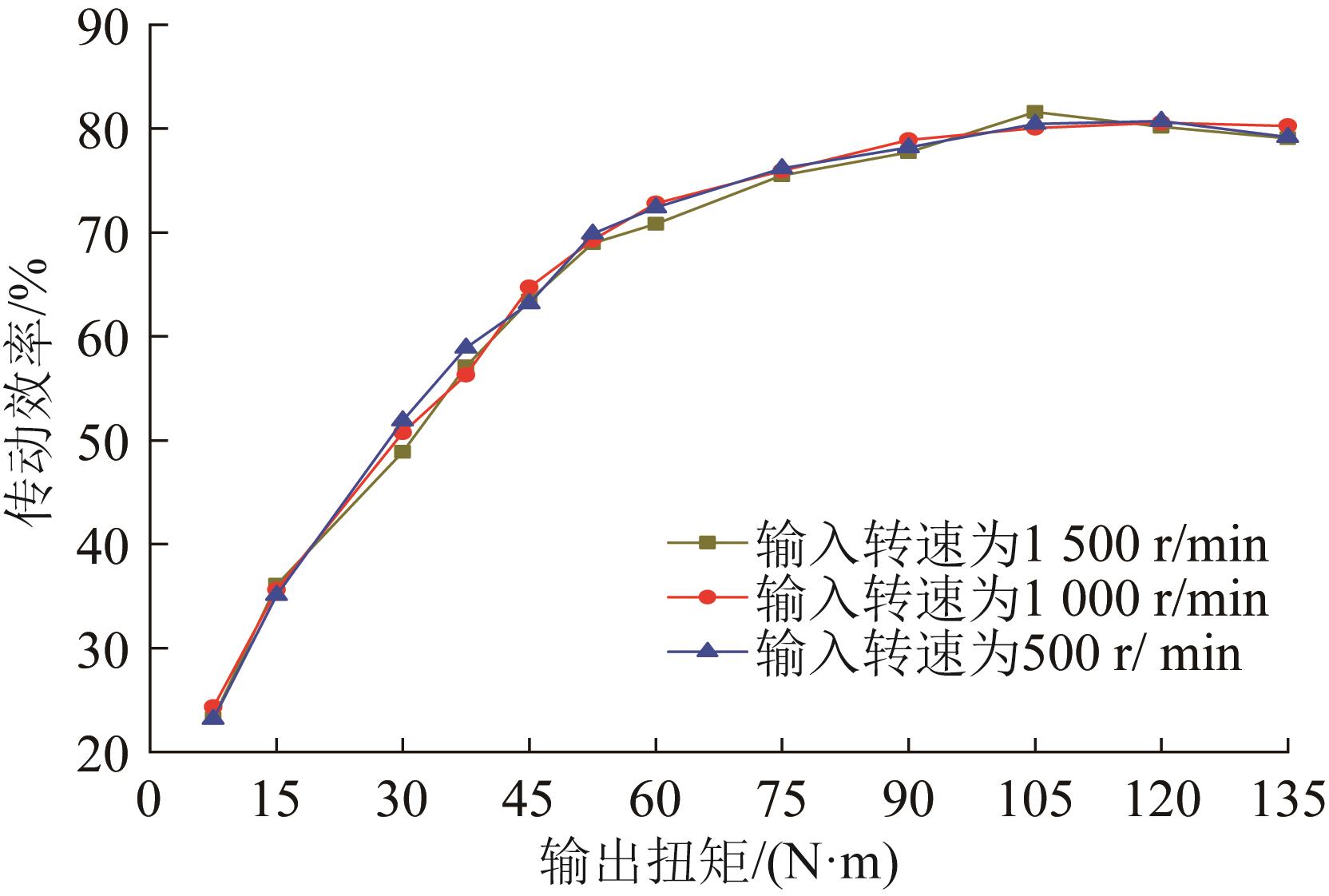
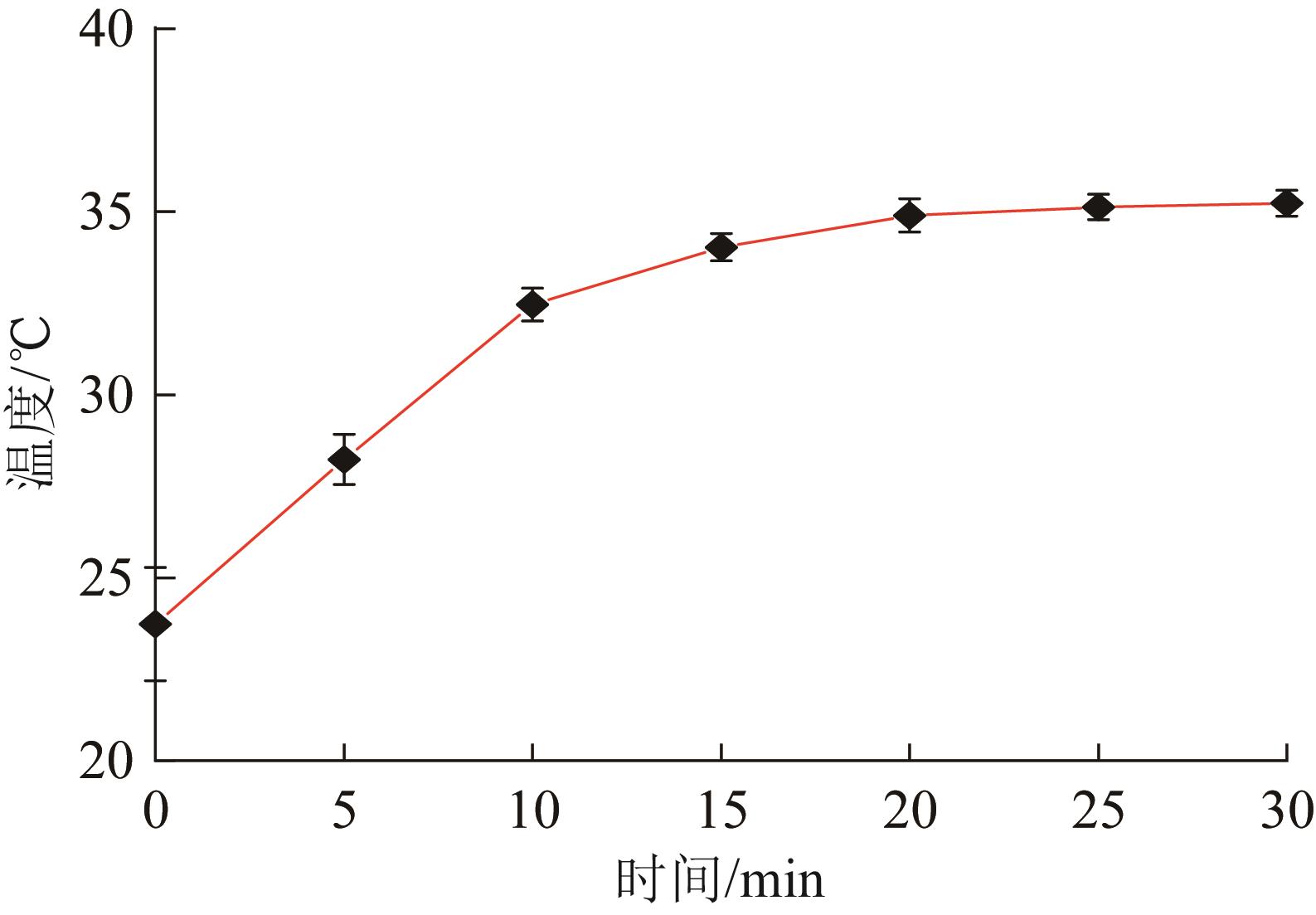
Abstract In response to the application requirements of small joints with high-precision and heavy-load in service robots, a cycloidal-pin-annulus reducer was designed, and its transmission performance was verified. Based on the requirements of the working conditions, the parameter calculation, structural design and the comprehensive performance testing platform for the reducer were completed. Through high-torque acceleration failure tests, combined with dynamics finite element analysis, microtopography observation and elemental-mapping analysis, the failure mechanism of the reducer was systematically studied. Based on the failure mechanism, the reducer was improved, and the performance comparison tests before and after improvement were carried out. The failure analysis indicated that the main failure modes of the reducer included the adhesion wear on the surface of the eccentric shaft and the inner bore of the cycloidal wheel, the adhesion wear and local pitting of the needle roller bearing, the wear of the cage accompanied by surface oxidation, as well as the loosening and fracture of the reamed hole screw, and the deformation of the flanges. The lightweighting and performance improvement of the reducer were achieved by adjusting the installation direction of the reamed hole screw, improving the structure of the output flange, and reducing the number of gear pin. The torque density increased from 124.38 N·m/kg to 130.01 N·m/kg. The transmission error decreased from approximately 7 arc·min to 5 arc·min. The maximum transmission efficiency under the rated torque increased from 62.87% to 81.59%. After 30 minutes of no-load operation, the highest housing temperature decreased from 46 ℃ to 35 ℃. The research results provide valuable insights for the development of robotic joint modules towards compact, high-precision and heavy-load.
|
|
Received: 29 October 2025
Published: 28 April 2026
|
|
|
|
Corresponding Authors:
Yangyi XIAO
E-mail: chenliyang@webmail.hzau.edu.cn;yyxiao@mail.hzau.edu.cn
|
机器人小型关节摆线针轮减速器设计与试验
面对服务机器人小型关节精密重载的应用需求,设计了一种摆线针轮减速器,并验证了其传动性能。基于工况要求完成了减速器的参数计算、结构设计及其综合性能测试台的研制;通过高扭矩加速失效试验,结合动力学有限元分析、微观形貌观察和元素面分析,系统研究了减速器失效机理;基于失效机理对减速器进行改进,并开展了改进前后性能对比试验。失效分析表明,减速器的主要失效形式包括偏心轴表面和摆线轮内孔的胶合、滚针轴承的胶合和局部点蚀、保持架磨损及以上均伴随的表面氧化,以及铰制孔螺钉松脱、断裂和法兰磨损变形。通过调整铰制孔螺钉安装方向、改进输出端法兰结构及减少针齿等,实现了减速器的轻量化和性能提升。扭矩密度从124.38 N·m/kg提升至130.01 N·m/kg,传动误差约从7 arc·min下降至5 arc·min,额定转矩下最大传动效率从62.87%提升至81.59%,空载运行30 min后壳体最高温度从46 ℃下降至35 ℃。研究结果为机器人关节模组向小体积、高精密化、重承载方向的发展提供了有益参考。
关键词:
失效,
机器人,
关节,
摆线针轮减速器,
传动性能,
失效
|
|
| [[1]] |
ZHU G H, GUO W Z, CHU S X. Bionic concept and synthesis methods of the biomimetic robot joint mechanism for accurately reproducing the motion pattern of the human knee joint[J]. Mechanism and Machine Theory, 2024, 204: 105832.
|
|
|
| [[2]] |
CHEN Z T, YU Z J, FU J, et al. Analysis and design of air-heat pipe composite cooling of high power density motor[J]. Applied Thermal Engineering, 2024, 236: 121495.
|
|
|
| [[3]] |
巴凯先, 孔祥东, 俞滨. 机器人腿部液压驱动系统主动柔顺复合控制研究[J]. 机械工程学报, 2020, 56(12): 195.
BA K X, KONG X D, YU B. Research on active compliance compound control of hydraulic drive system of robot leg[J]. Journal of Mechanical Engineering, 2020, 56(12): 195.
|
|
|
| [[4]] |
金洪杨, 岳龙旺, 刘景达, 等. 基于散粒体阻塞机理的变刚度柔性机械臂研究[J]. 工程设计学报, 2023, 30(4): 449-455.
JIN H Y, YUE L W, LIU J D, et al. Research on flexible manipulator with variable stiffness based on particle blocking mechanism[J]. Chinese Journal of Engineering Design, 2023, 30(4): 449-455.
|
|
|
| [[5]] |
SUTHAR B, AWAD M I, SENEVIRATNE L, et al. Design of robotic finger using twisted string actuator with modular passive return rotational joints to achieve high grasping force: Application to wearable sixth finger[J]. Mechatronics, 2024, 99: 103157.
|
|
|
| [[6]] |
孙繁新, 史彦斌, 蒲吉斌, 等. 苛刻空间环境下固体润滑涂层在谐波齿轮减速器表面的服役性能评价[J]. 中国表面工程, 2023, 36(5): 76-87.
SUN F X, SHI Y B, PU J B, et al. Service performance evaluation of solid-lubrication coating on harmonic gear reducer surface in harsh space environment[J]. China Surface Engineering, 2023, 36(5): 76-87.
|
|
|
| [[7]] |
NABESHIMA C, AYUSAWA K, HOCHBERG C, et al. Standard performance test of wearable robots for lumbar support[J]. IEEE Robotics and Automation Letters, 2018, 3(3): 2182-2189.
|
|
|
| [[8]] |
ZHANG D Q, LI X G, YANG M D, et al. Non-random vibration analysis of rotate vector reducer[J]. Journal of Sound and Vibration, 2023, 542: 117380.
|
|
|
| [[9]] |
李军星, 高锐, 邱明, 等. 考虑动态时变载荷的滚动轴承可靠性寿命评估方法[J]. 工程设计学报, 2024, 31(4): 420-427.
LI J X, GAO R, QIU M, et al. Reliability life evaluation method of rolling bearing considering dynamic time-varying loads[J]. Chinese Journal of Engineering Design, 2024, 31(4): 420-427.
|
|
|
| [[10]] |
肖洋轶, 张诣, 孙润阳, 等. 大型风洞双转轴机构精密重载减速器研制及应用[J]. 中国机械工程, 2025, 36(10): 2423-2432, 2443.
XIAO Y Y, ZHANG Y, SUN R Y, et al. Development and applications of precision heavy duty reducers for double rotating shaft mechanisms in large wind tunnels[J]. China Mechanical Engineering, 2025, 36(10): 2423-2432, 2443.
|
|
|
| [[11]] |
YANG M D, ZHANG D Q, CHENG C, et al. Reliability-based design optimization for RV reducer with experimental constraint[J]. Structural and Multidisciplinary Optimization, 2021, 63(4): 2047-2064.
|
|
|
| [[12]] |
戚其松, 李成刚, 董青, 等. 起重机生命周期载荷谱预测及基于疲劳寿命的结构优化设计[J]. 工程设计学报, 2023, 30(3): 380-389.
QI Q S, LI C G, DONG Q, et al. Prediction of load spectrum for crane life cycle and structural optimal design based on fatigue life[J]. Chinese Journal of Engineering Design, 2023, 30(3): 380-389.
|
|
|
| [[13]] |
JIANG N, QIAN R D, QIAO H Y, et al. Neural-driven viscosity modeling and fatigue optimization for cycloidal gear systems[J]. Tribology International, 2025, 202: 110311.
|
|
|
| [[14]] |
潘柏松, 方宽, 文娟, 等. 考虑磨损与变形的谐波齿轮精度可靠性分析与优化设计[J]. 计算机集成制造系统, 2022, 28(2): 355-367.
PAN B S, FANG K, WEN J, et al. Accuracy reliability analysis and optimization design of harmonic gear considering wear and deformation[J]. Computer Integrated Manufacturing Systems, 2022, 28(2): 355-367.
|
|
|
| [[15]] |
刘皓天, 肖洋轶, 牛成强, 等. 齿面涂层改性RV减速器承载特性分析与试验[J]. 农业工程学报, 2025, 41(13): 104-113.
LIU H T, XIAO Y Y, NIU C Q, et al. Load-carrying characteristics of RV reducer modified by gear coating[J]. Transactions of the Chinese Society of Agricultural Engineering, 2025, 41(13): 104-113.
|
|
|
| [[16]] |
周坤, 叶楠, 吴锦辉, 等. RV减速器高应力加速退化试验及可靠性分析[J]. 哈尔滨工业大学学报, 2022, 54(7): 37-44. doi:10.11918/202112011
ZHOU K, YE N, WU J H, et al. High stress accelerated degradation test and reliability analysis of RV reducer[J]. Journal of Harbin Institute of Technology, 2022, 54(7): 37-44.
doi: 10.11918/202112011
|
|
|
| [[17]] |
肖洋轶, 贾鲁敏, 曾炳中, 等. 涂层强化齿轮传动抗胶合机理分析与试验[J]. 农业工程学报, 2023, 39(23): 45-54.
XIAO Y Y, JIA L M, ZENG B Z, et al. Scuffing resistance mechanism for coating strengthened gear transmission[J]. Transactions of the Chinese Society of Agricultural Engineering, 2023, 39(23): 45-54.
|
|
|
| [[18]] |
赵致勃, 顾大强, 李立新, 等. 基于接触应力优化的摆线轮修形设计[J]. 工程设计学报, 2022, 29(6): 713-719.
ZHAO Z B, GU D Q, LI L X, et al. Modification design of cycloidal gear based on contact stress optimization[J]. Chinese Journal of Engineering Design, 2022, 29(6): 713-719.
|
|
|
| [[19]] |
PEDRERO J I, PLEGUEZUELOS M, SÁNCHEZ M B. Analytical model for meshing stiffness, load sharing, and transmission error for helical gears with profile modification[J]. Mechanism and Machine Theory, 2023, 185: 105340.
|
|
|
|
Viewed |
|
|
|
Full text
|
|
|
|
|
Abstract
|
|
|
|
|
Cited |
|
|
|
|
| |
Shared |
|
|
|
|
| |
Discussed |
|
|
|
|