Please wait a minute...
工程设计学报  2026, Vol. 33 Issue (1): 56-64    DOI: 10.3785/j.issn.1006-754X.2026.05.146
机器人与机构设计     
基于双稳态结构的仿青蛙游动机器人设计与性能分析
陈积明(),熊浩鑫,程源钒,陈堃,胡俊峰()
江西理工大学 机电工程学院,江西 赣州 341000
Design and performance analysis of bistable structure-based frog-inspired swimming robot
Jiming CHEN(),Haoxin XIONG,Yuanfan CHENG,Kun CHEN,Junfeng HU()
School of Mechanical and Electrical Engineering, Jiangxi University of Science and Technology, Ganzhou 341000, China
 全文: PDF(11516 KB)   HTML
摘要:

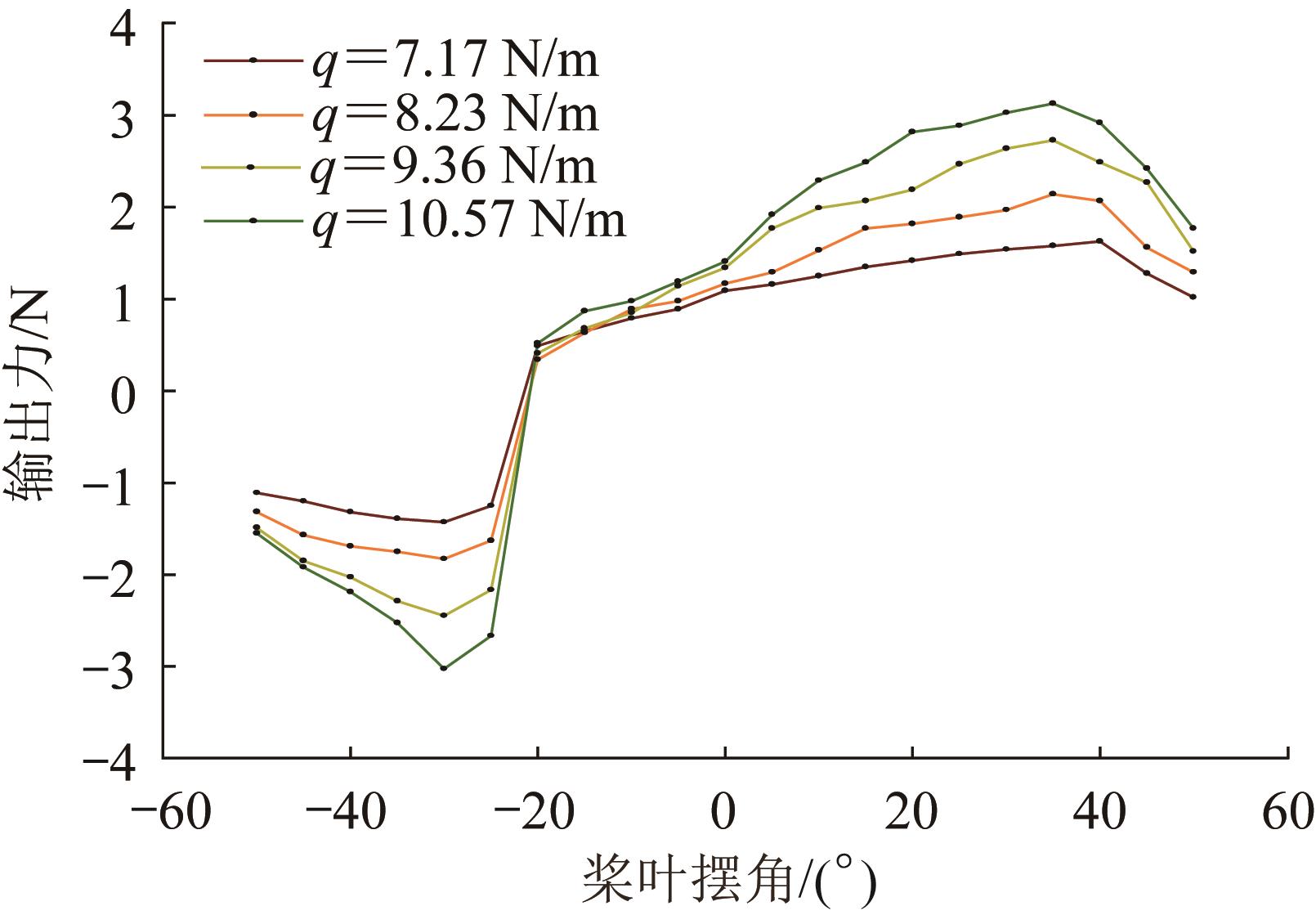
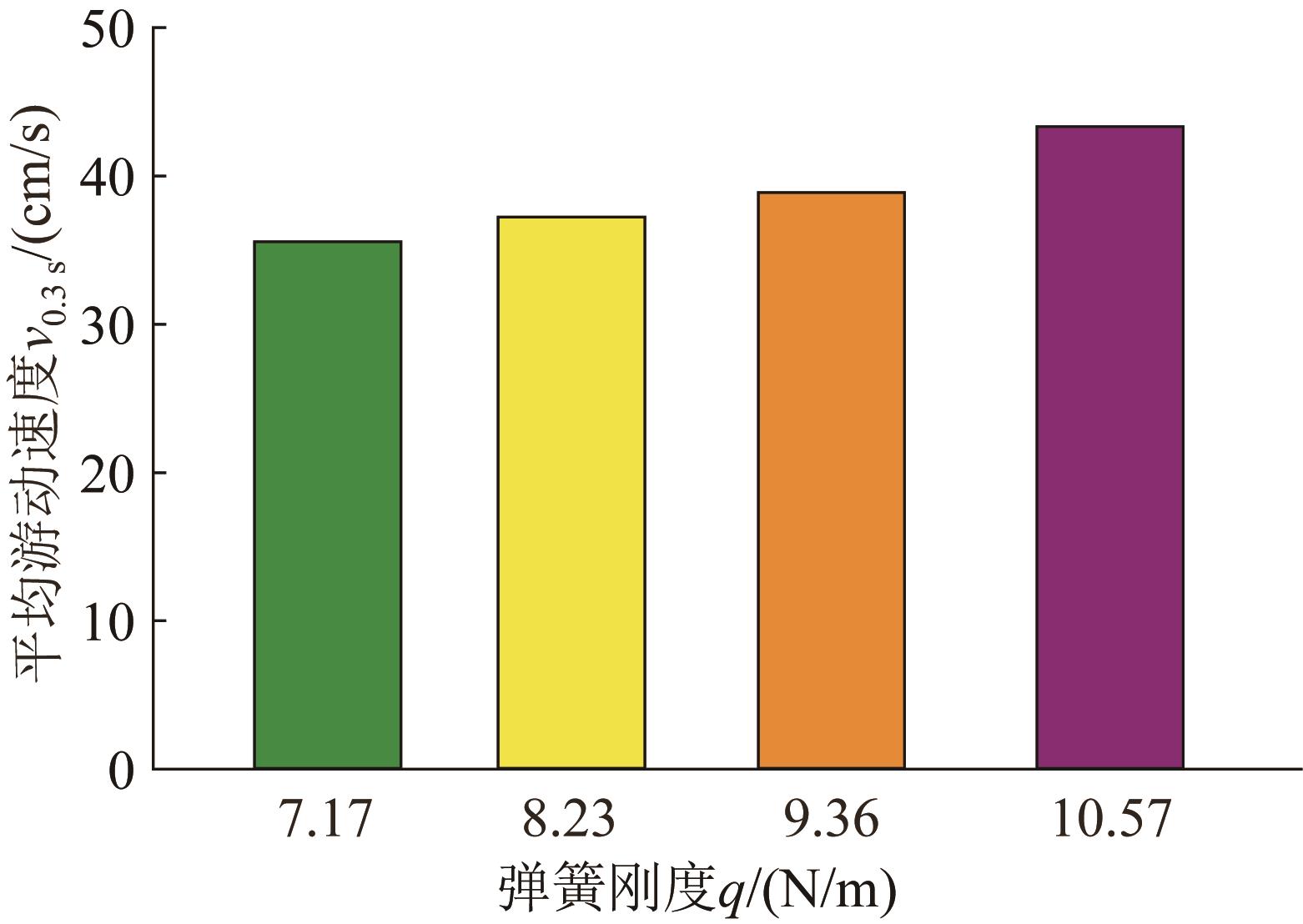
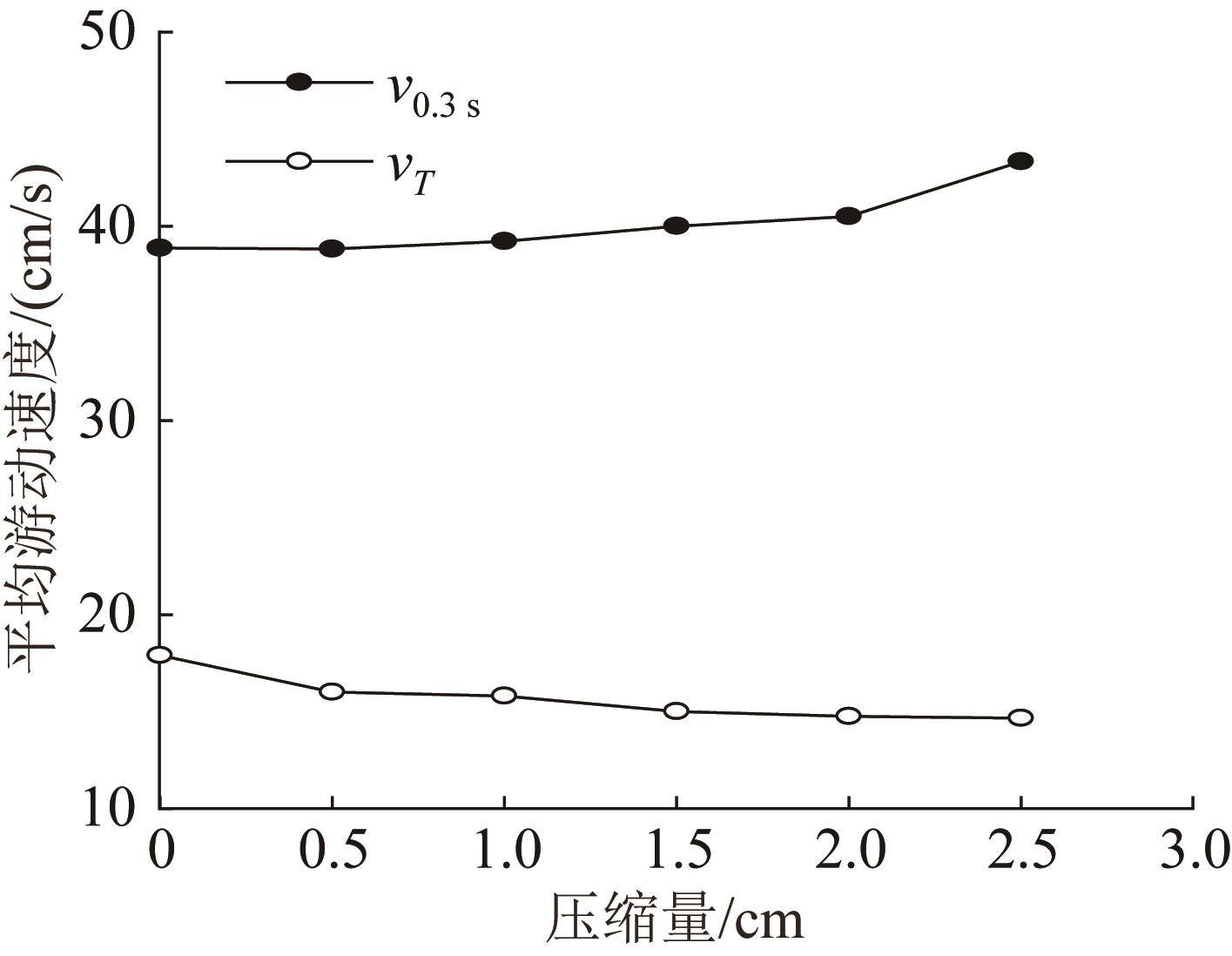
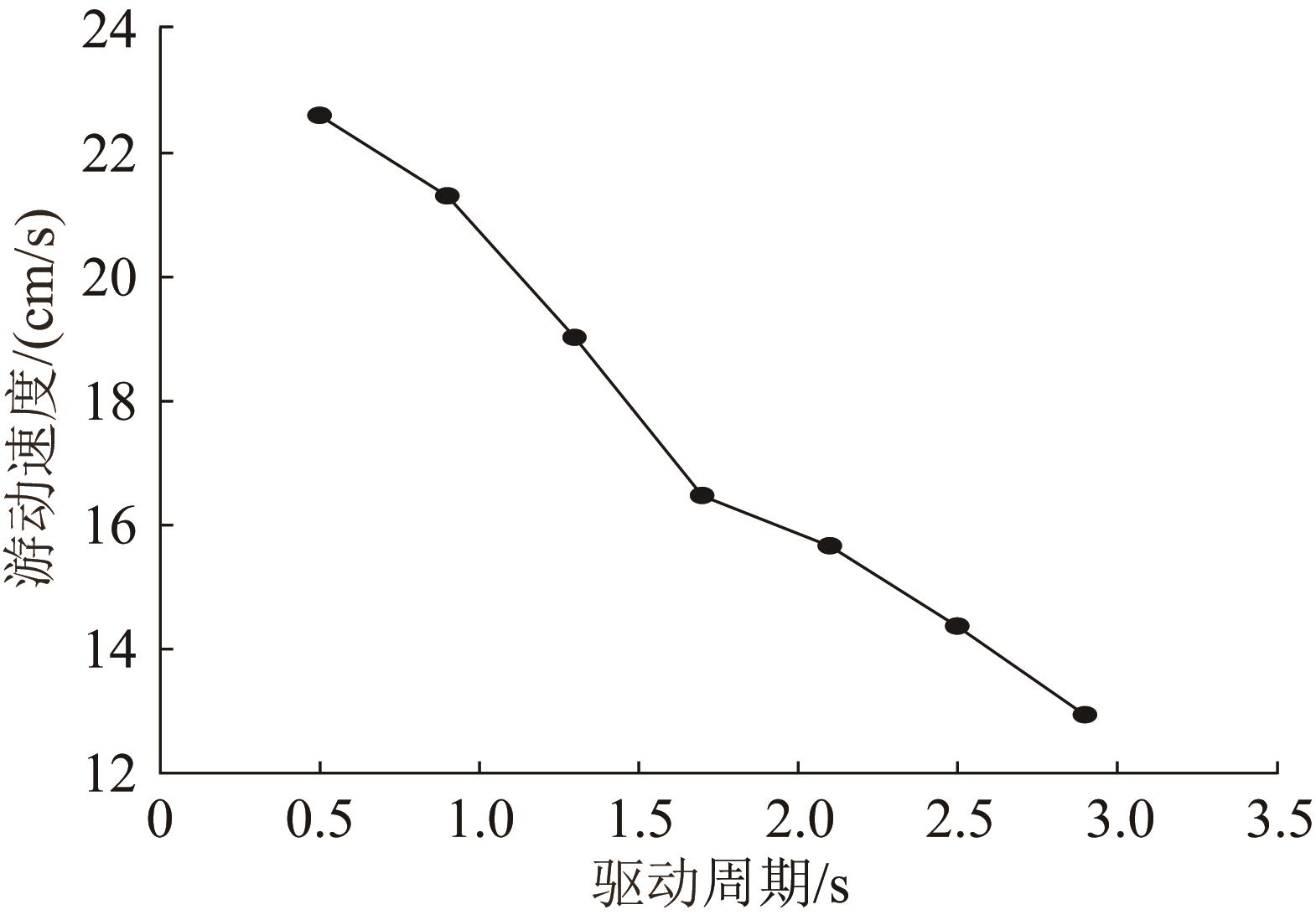
面向仿生游动推进技术需求,设计了一款基于双稳态结构的仿青蛙游动机器人。通过构建连杆-弹簧-线缆复合机构,提出了一种具有快速能量跃迁特性的双稳态致动器。该装置利用弹簧的弹性形变储能机制,在周期性力矩输入下实现稳态间的毫秒级切换,通过桨叶借助水动力反作用力形成高效推进效应。随后,通过ADAMS动力学仿真与样机实验,分析了桨叶摆角幅值、弹簧刚度、弹簧压缩量等关键参数对机器人响应能力和运动性能的影响规律。其中,提高主弹簧k?的刚度可提高双稳态致动器的储能与释能能力,并增强摆动输出力,促使机器人在静止启动后0.3 s内的平均推进速度达43.33 cm/s(1.73倍体长每秒);增加弹簧k?的压缩量可提高推进力,通过实验测得机器人的最大瞬时推进力为2.14 N(2.58倍体重)。测试表明,当双稳态致动器的驱动周期为0.5 s时,机器人可实现22.5 cm/s的稳定游动速度。所设计的双稳态致动器为仿生水下机器人提供了高爆发驱动的新范式,提高了机器人在灾难救援、生态监测等领域的应用潜力。

关键词: 仿青蛙游动机器人双稳态致动器动力学仿真游动速度    
Abstract:

In response to the requirements of biomimetic swimming propulsion technology, a frog-inspired swimming robot based on a bistable structure is designed. By constructing a linkage-spring-cable composite mechanism, a bistable actuator with rapid energy transition characteristics was proposed. The device utilized an elastic deformation energy storage mechanism of springs to achieve millisecond-level switching between stable states under periodic torque input, generating efficient propulsion through hydrodynamic reaction forces via paddle blades. Subsequently, through ADAMS dynamics simulations and prototype experiments, the influence laws of key parameters such as the paddle blade swing angle amplitude, the spring stiffness, and the spring compression on the response ability and motion performance of the robot were analyzed. Results showed that increasing the stiffness of the main spring k? could enhance the robot's energy storage and release capabilities, and enhance the swing output force, enabling the robot to achieve an average propulsion speed of 43.33 cm/s (1.73 body lengths per second) within 0.3 s after activation. Increasing the compression of the spring k2 could improve propulsion force, with experiments recording a maximum instantaneous propulsion force of 2.14 N (2.58 times body weight). Tests demonstrated that when the actuation cycle of the bistable actuator was 0.5 s, the robot achieved a stable swimming speed of 22.5 cm/s. The designed bistable actuator provides a new paradigm for high-power-density actuation in biomimetic underwater robots, enhancing the application potential of robots in disaster rescue and ecological monitoring fields.

Key words: frog-inspired swimming robot    bistable actuator    dynamics simulation    swimming speed
收稿日期: 2025-06-03 出版日期: 2026-03-01
CLC:  TH 122  
基金资助: 国家自然科学基金资助项目(52165011);江西省自然科学基金资助项目(20212BAB204028);赣州市科技计划项目(2023PGX16964)
通讯作者: 胡俊峰     E-mail: 2538065998@qq.com;hjfsuper@126.com
作者简介: 陈积明(1999—),男,硕士生,从事软体机器人研究,E-mail: 2538065998@qq.com
服务  
把本文推荐给朋友
加入引用管理器
E-mail Alert
RSS
作者相关文章  
陈积明
熊浩鑫
程源钒
陈堃
胡俊峰

引用本文:

陈积明,熊浩鑫,程源钒,陈堃,胡俊峰. 基于双稳态结构的仿青蛙游动机器人设计与性能分析[J]. 工程设计学报, 2026, 33(1): 56-64.

Jiming CHEN,Haoxin XIONG,Yuanfan CHENG,Kun CHEN,Junfeng HU. Design and performance analysis of bistable structure-based frog-inspired swimming robot[J]. Chinese Journal of Engineering Design, 2026, 33(1): 56-64.

链接本文:

https://www.zjujournals.com/gcsjxb/CN/10.3785/j.issn.1006-754X.2026.05.146        https://www.zjujournals.com/gcsjxb/CN/Y2026/V33/I1/56

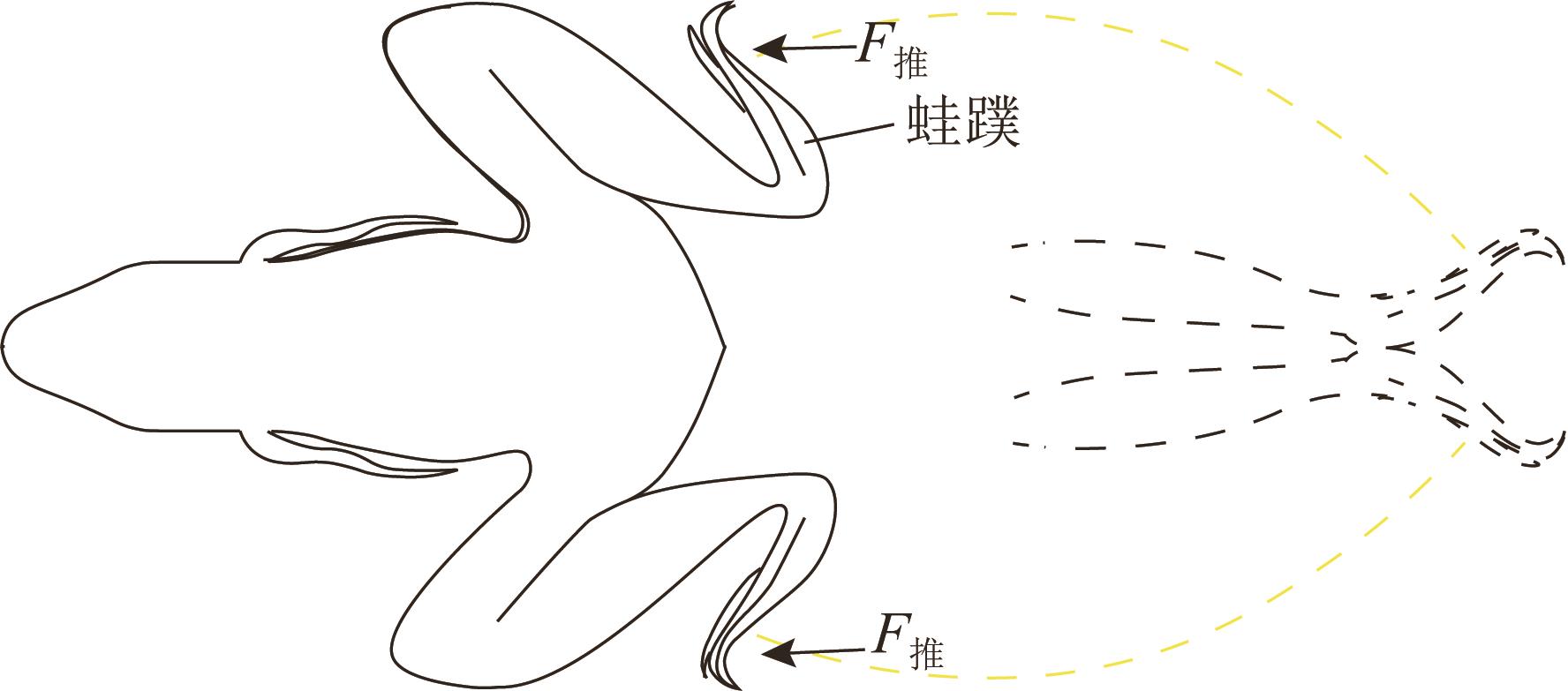
图1  青蛙游动示意
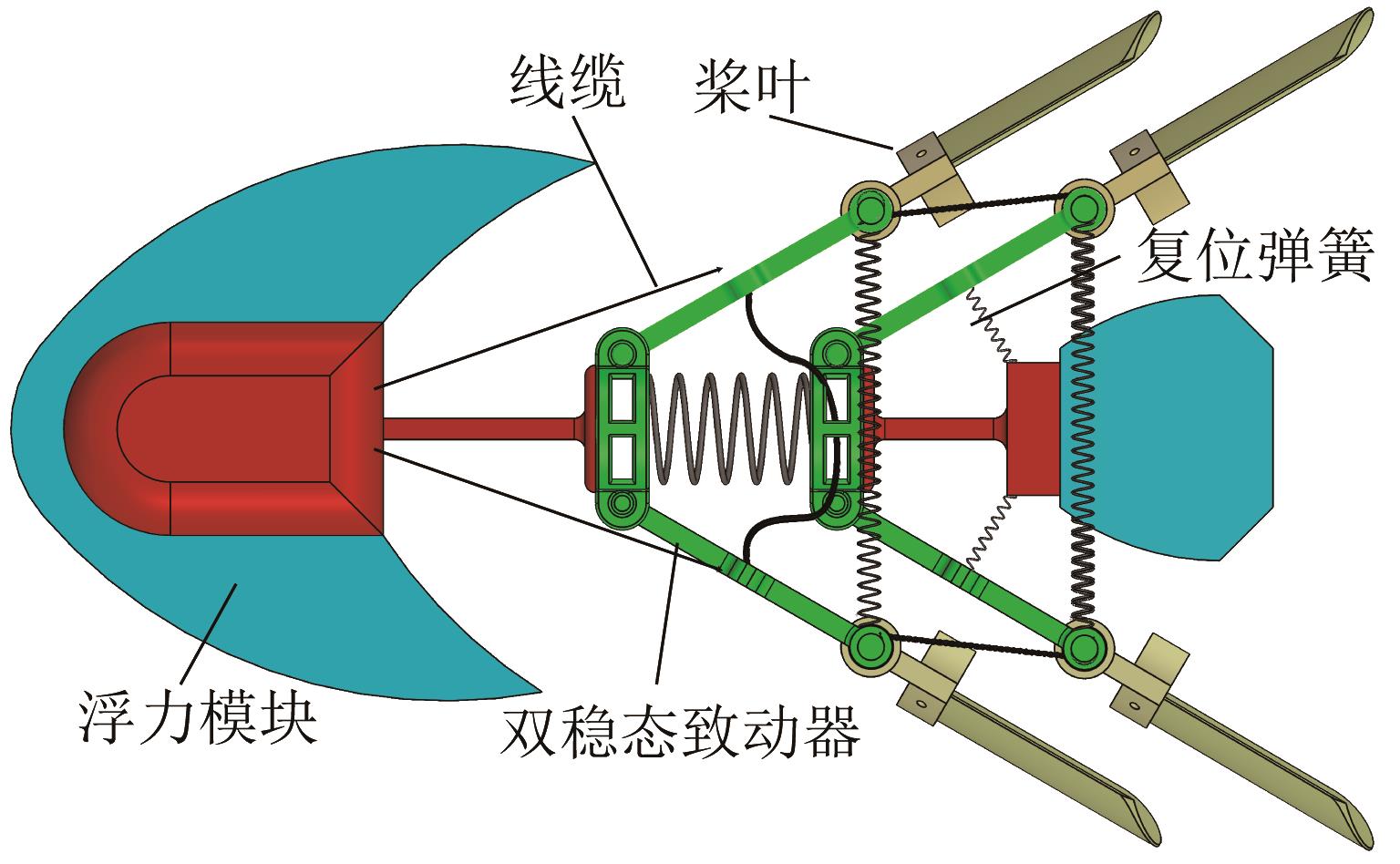
图2  仿青蛙游动机器人结构
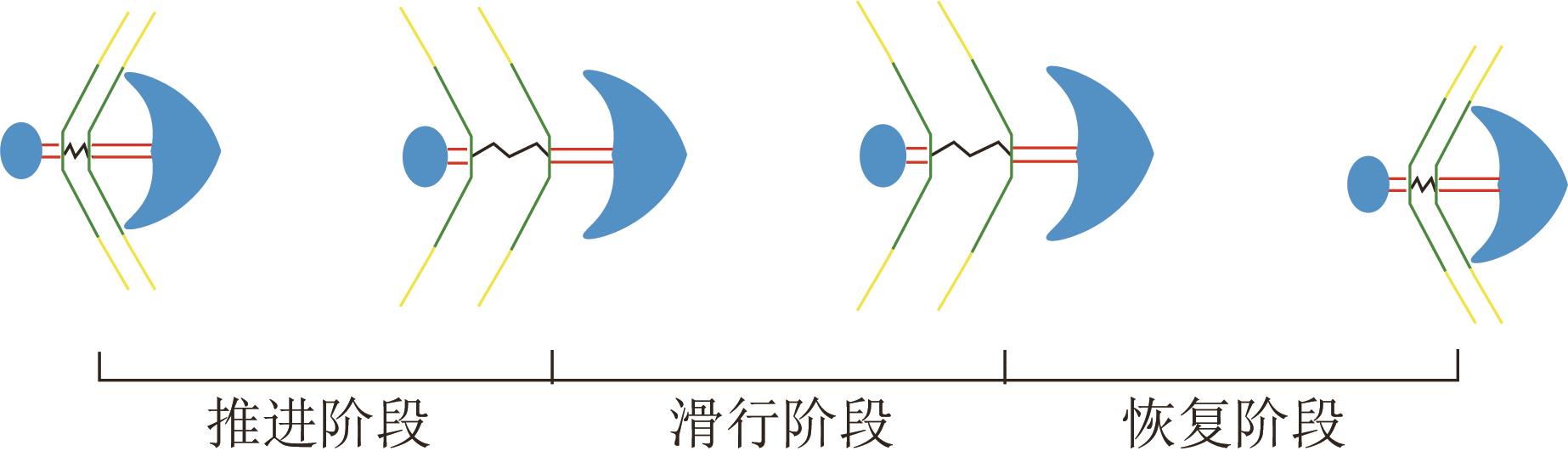
图3  机器人运动周期划分
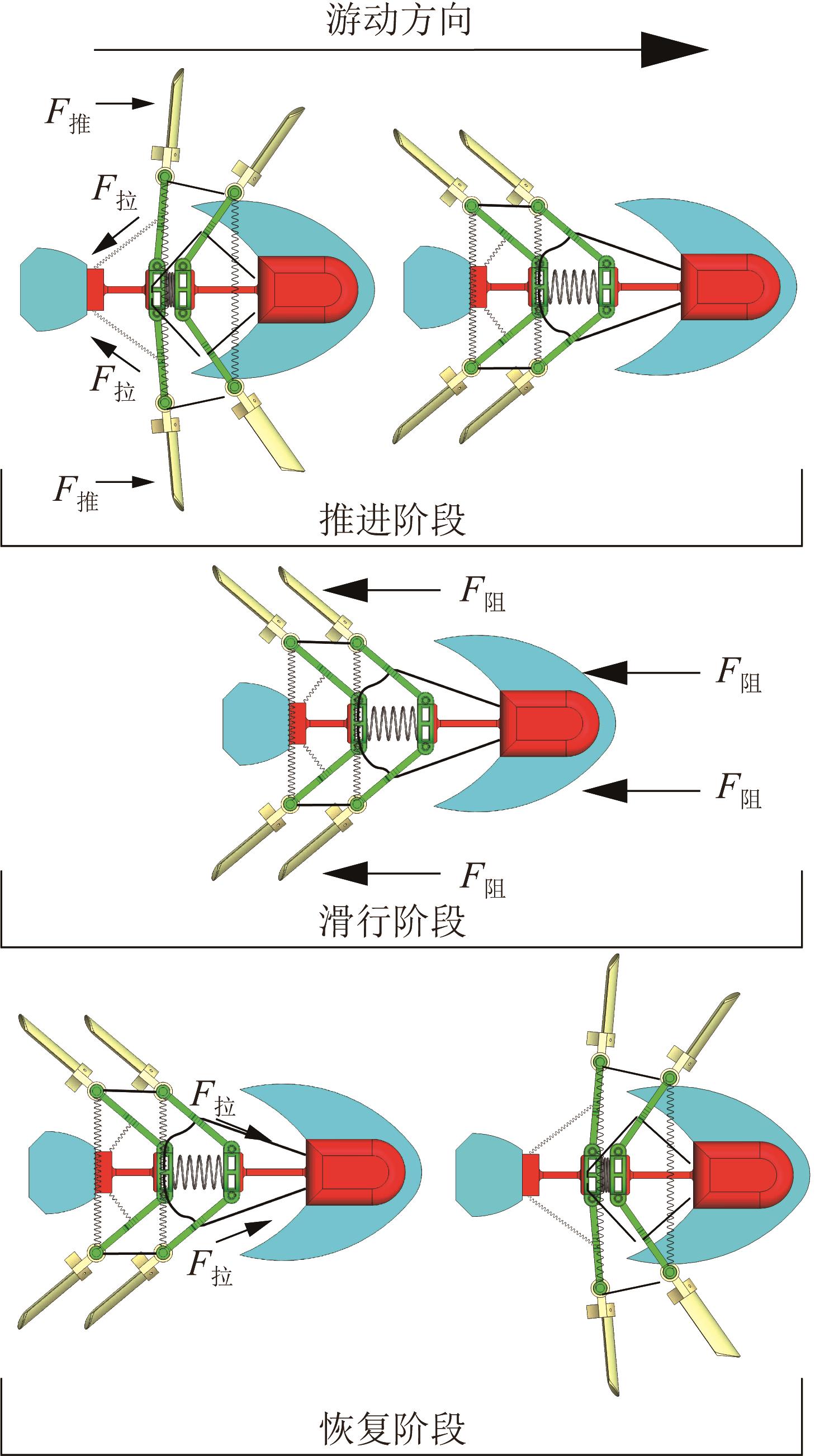
图4  机器人游动原理
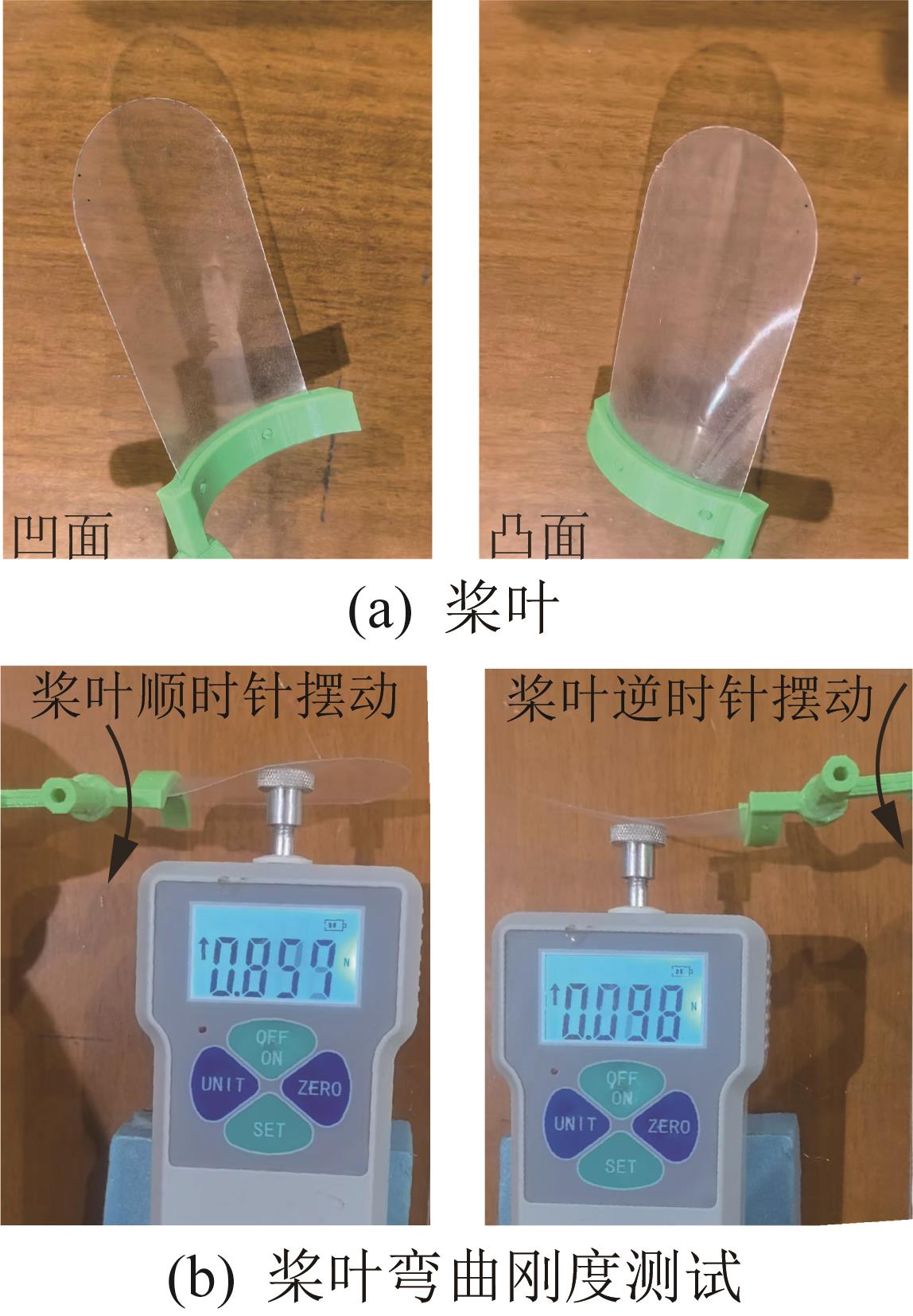
图5  桨叶形态及其弯曲刚度测试
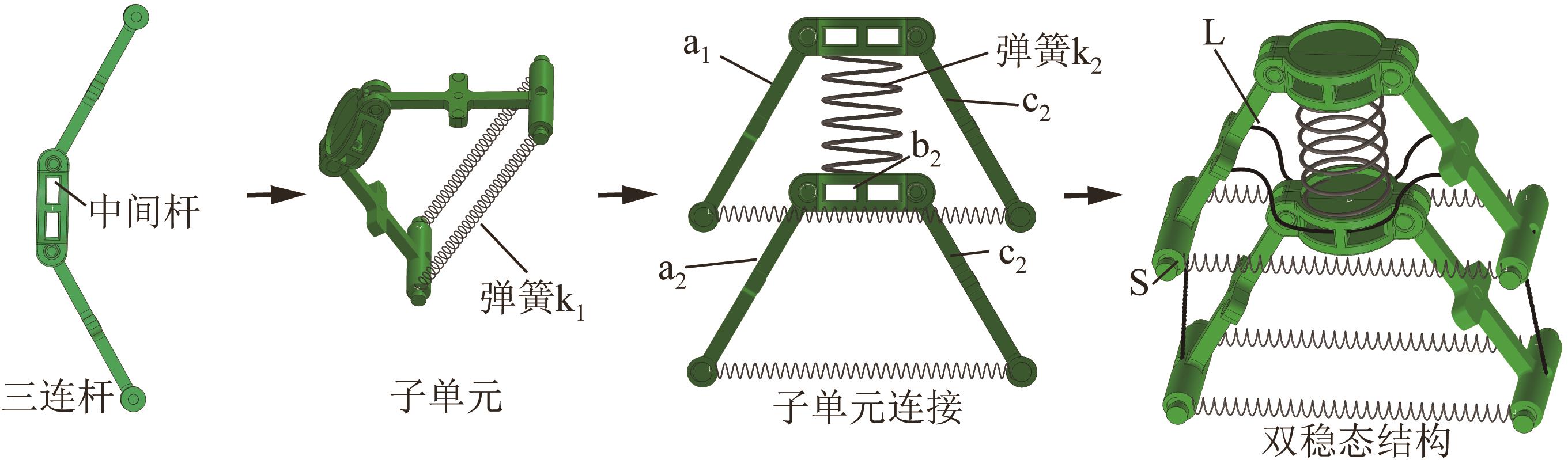
图6  双稳态致动器结构组成
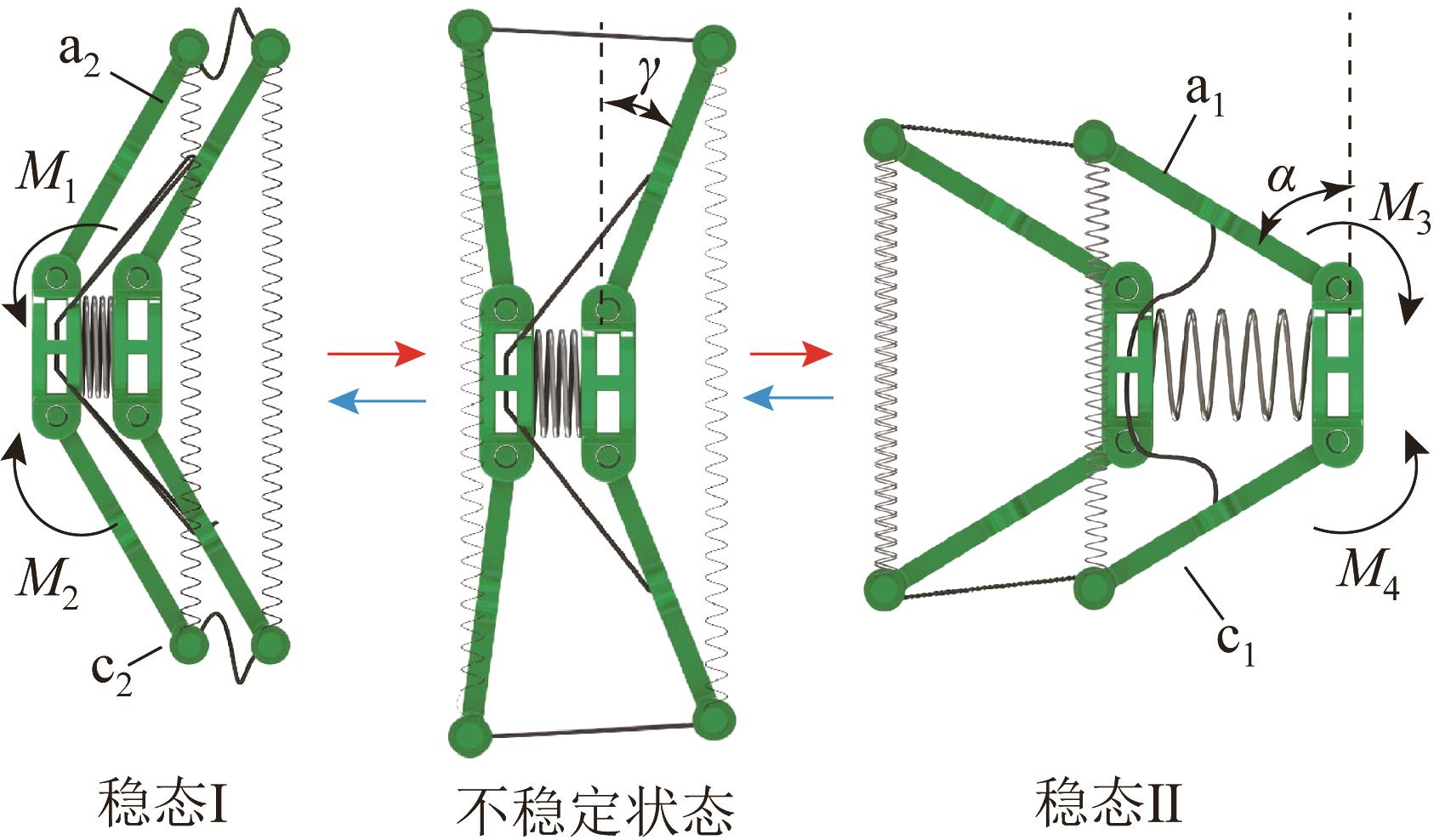
图7  双稳态致动器工作原理
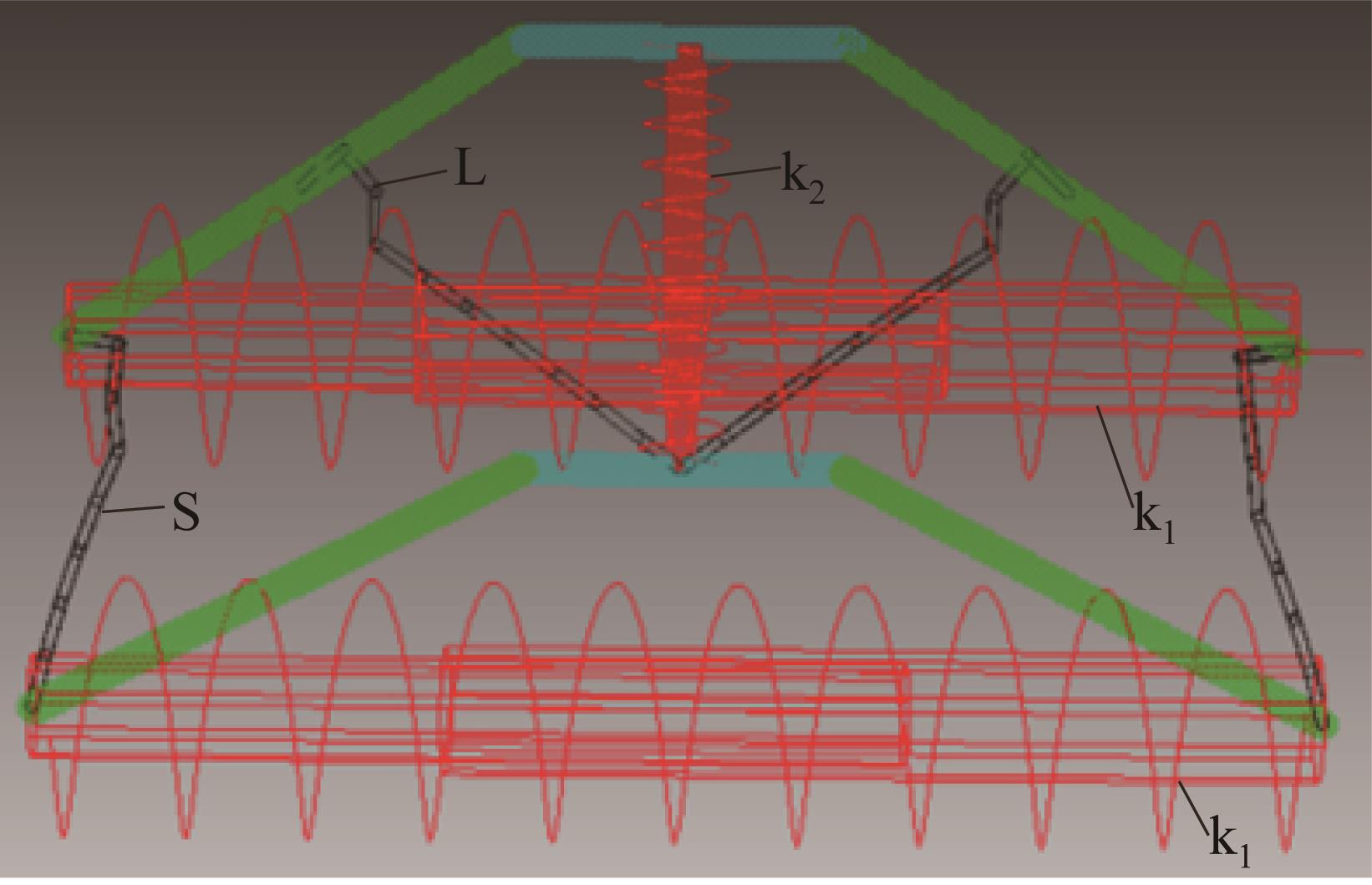
图8  双稳态致动器结构简图
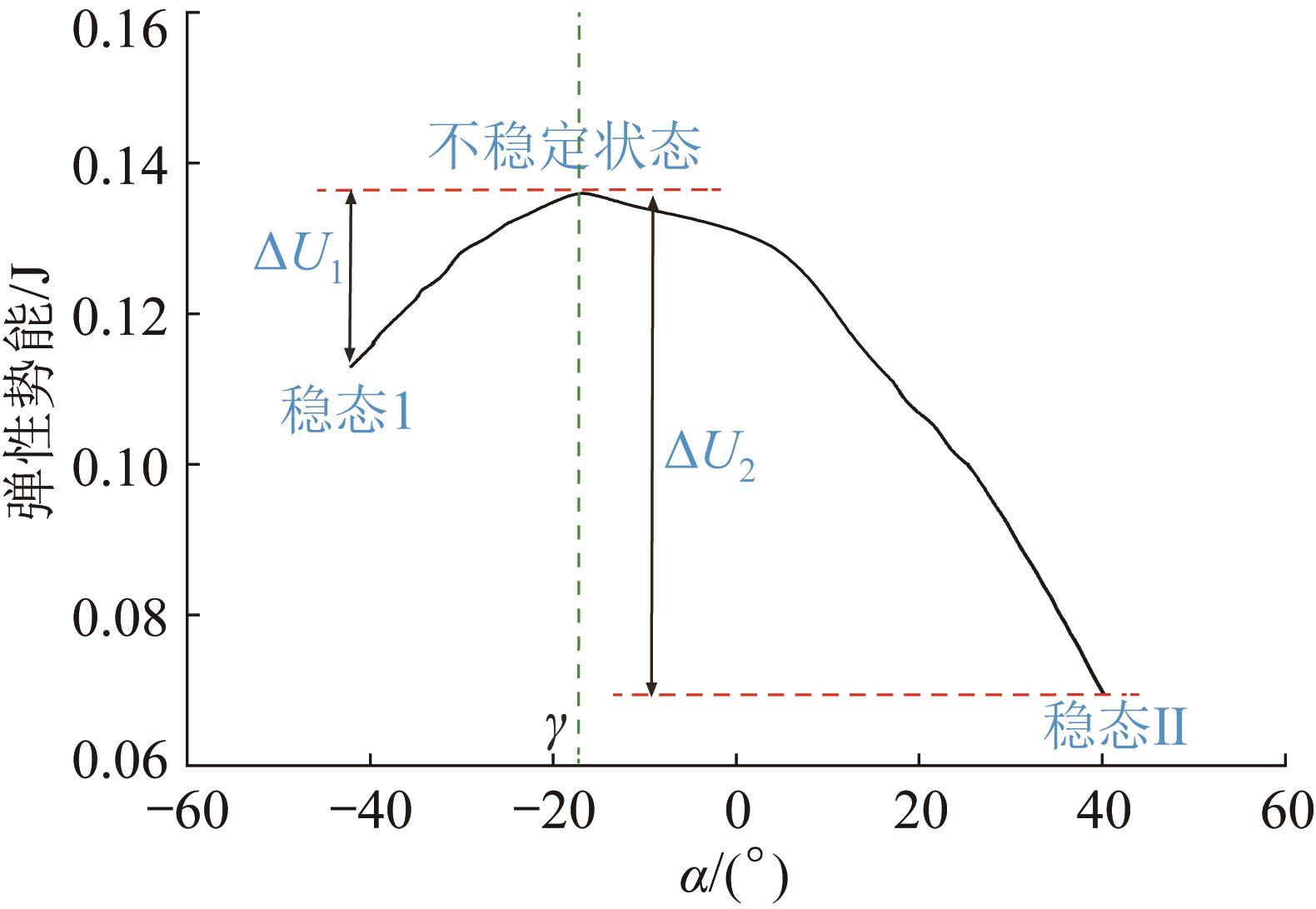
图9  稳态切换过程中弹性势能的变化趋势
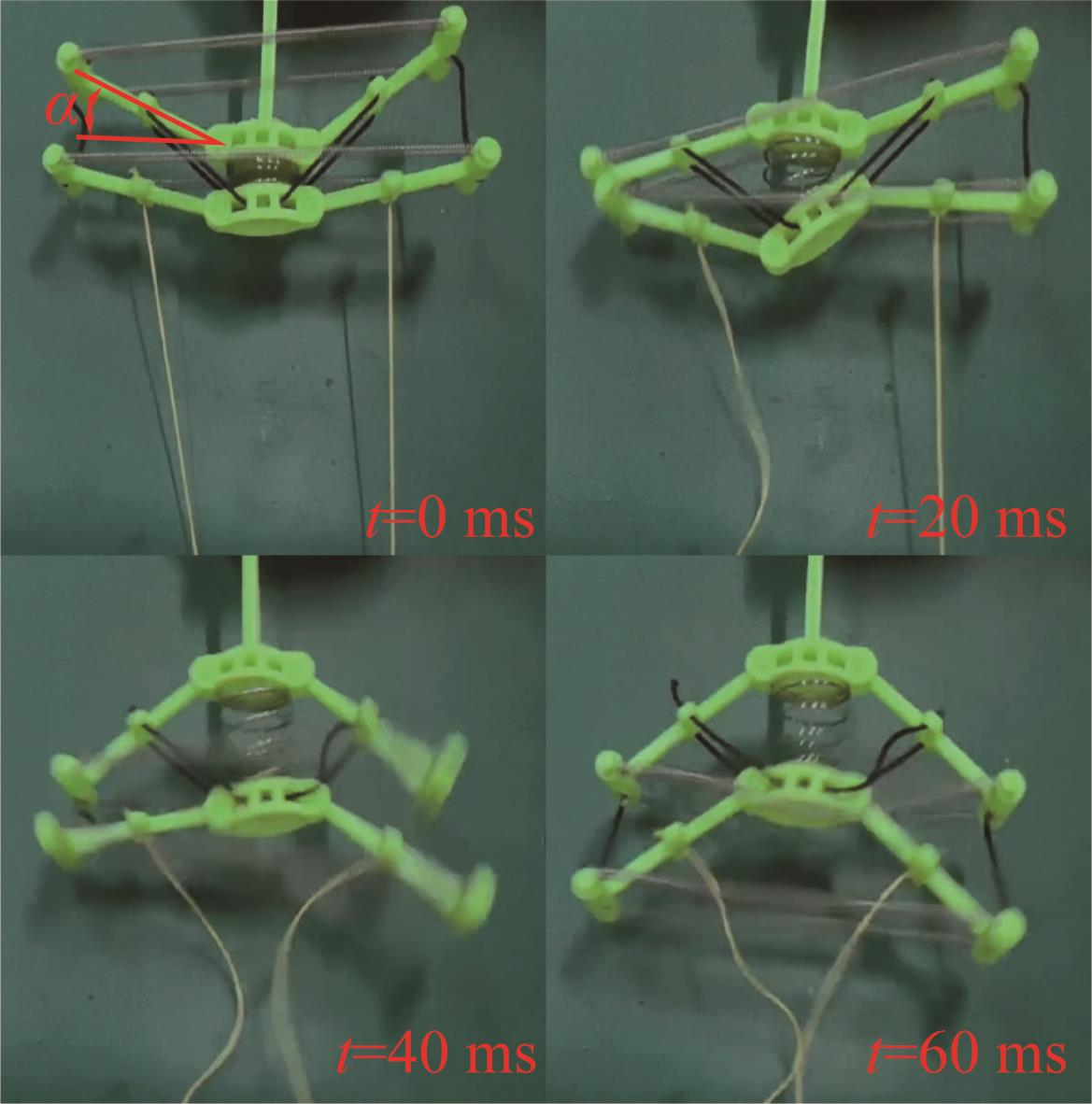
图10  双稳态致动器的稳态切换过程
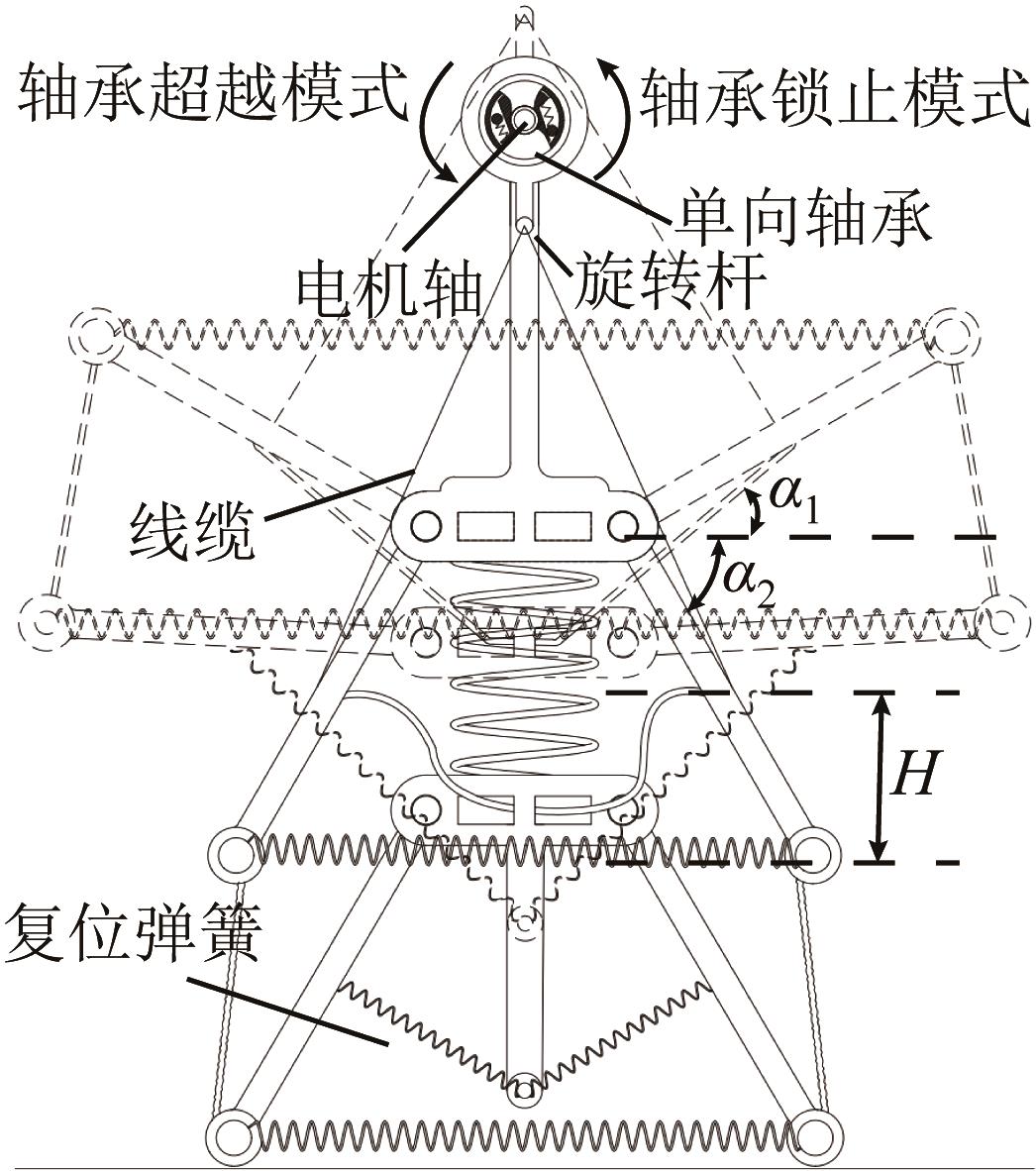
图11  双稳态致动器的驱动原理
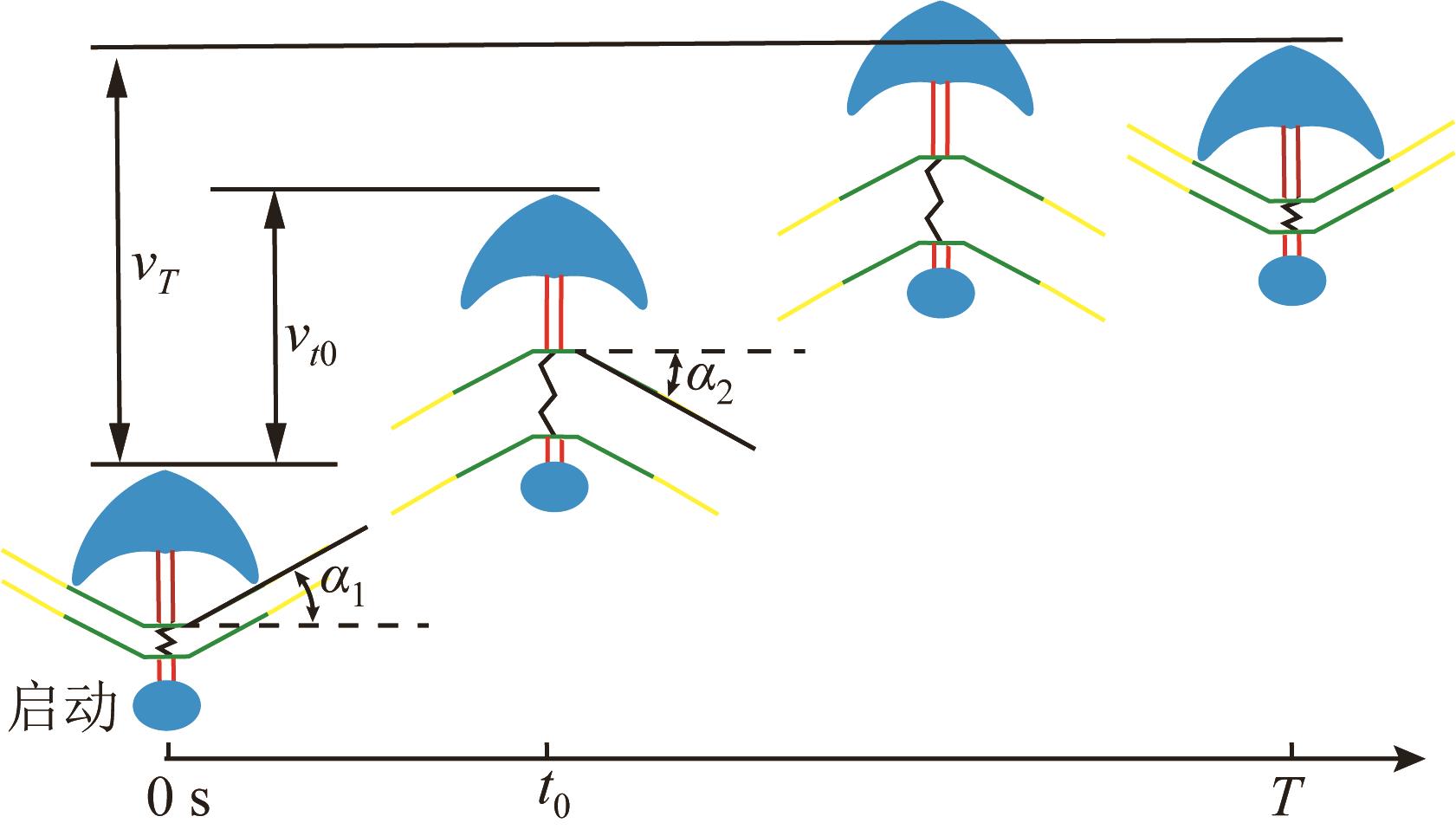
图12  单个驱动周期内机器人的运动状态
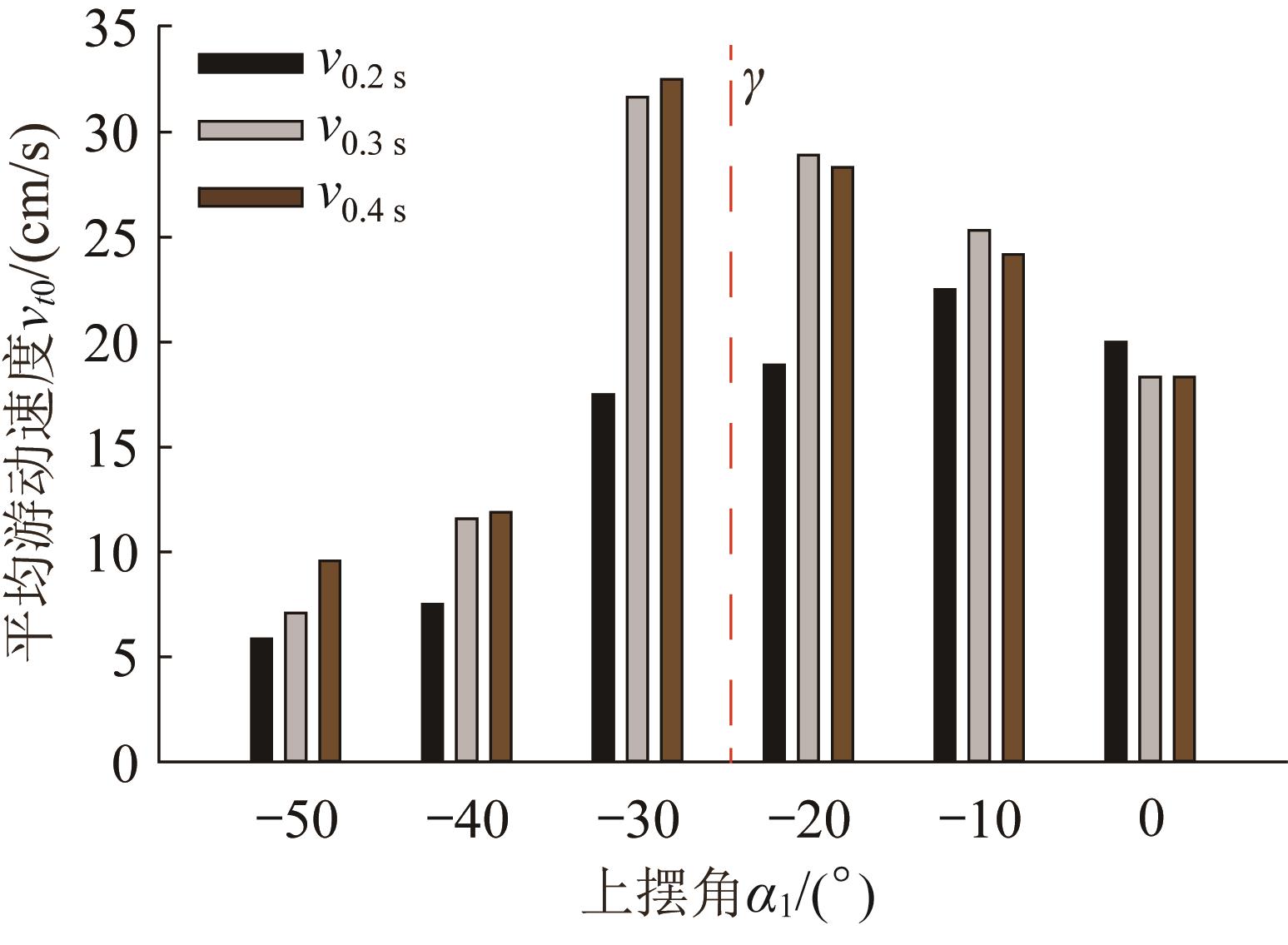
图13  平均游动速度 vt0 与桨叶上摆角 α1 的关系
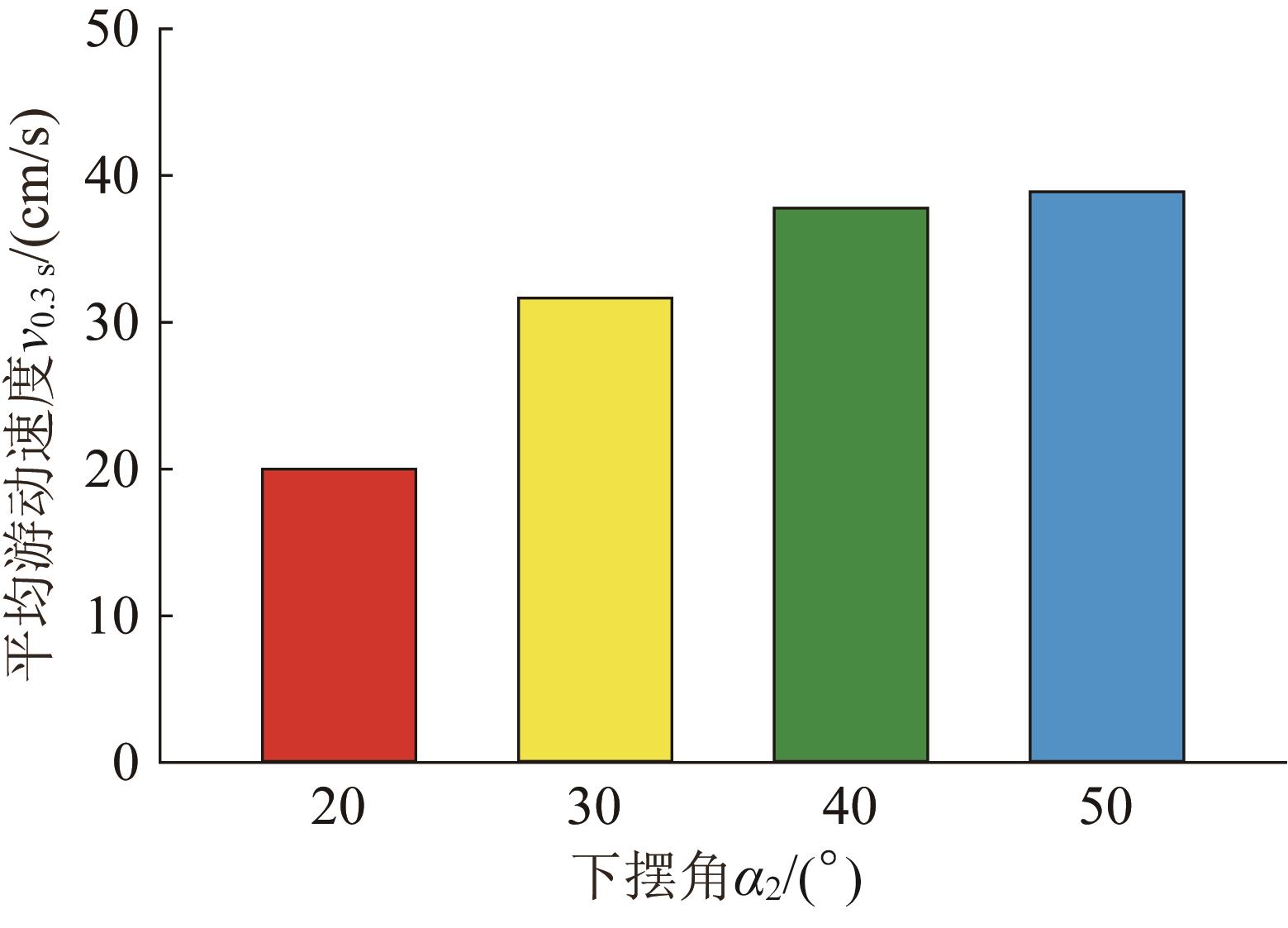
图14  平均游动速度 v0.3 s 与桨叶下摆角 α2 的关系
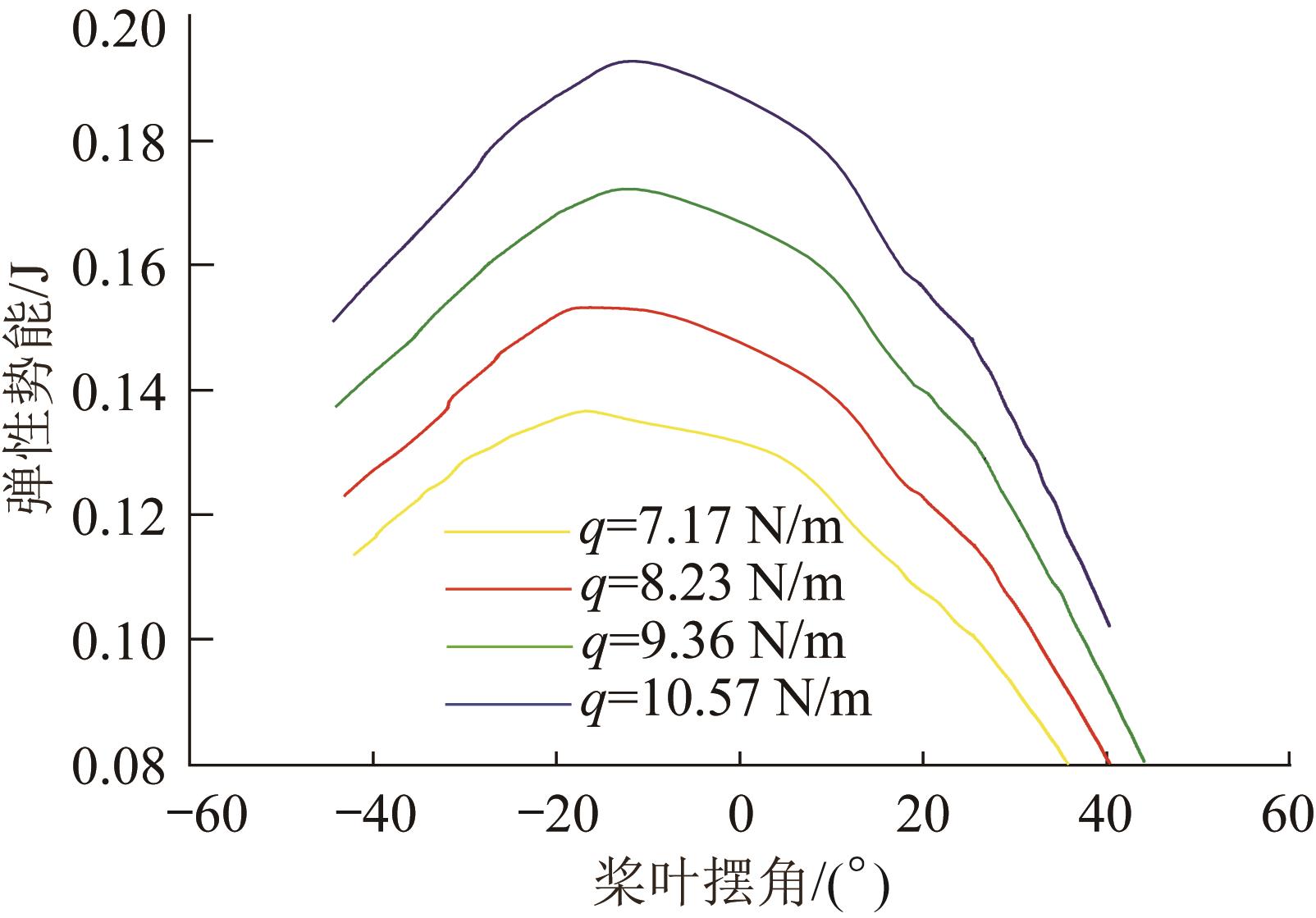
图15  主弹簧刚度与整体弹性势能的关系
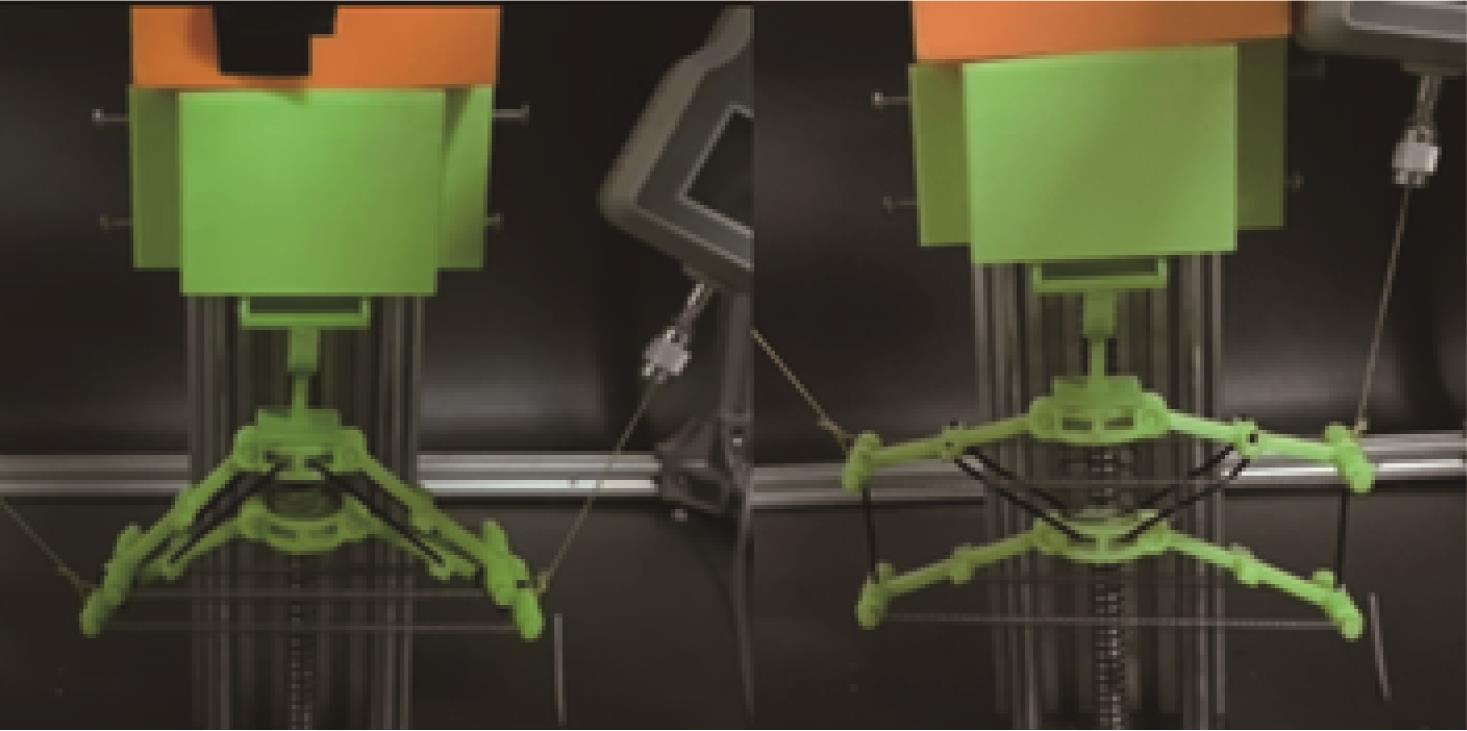
图16  摆动输出力测试平台
图17  不同主弹簧刚度下的摆动输出力变化曲线
图18  不同主弹簧刚度下的平均游动速度 v0.3 s
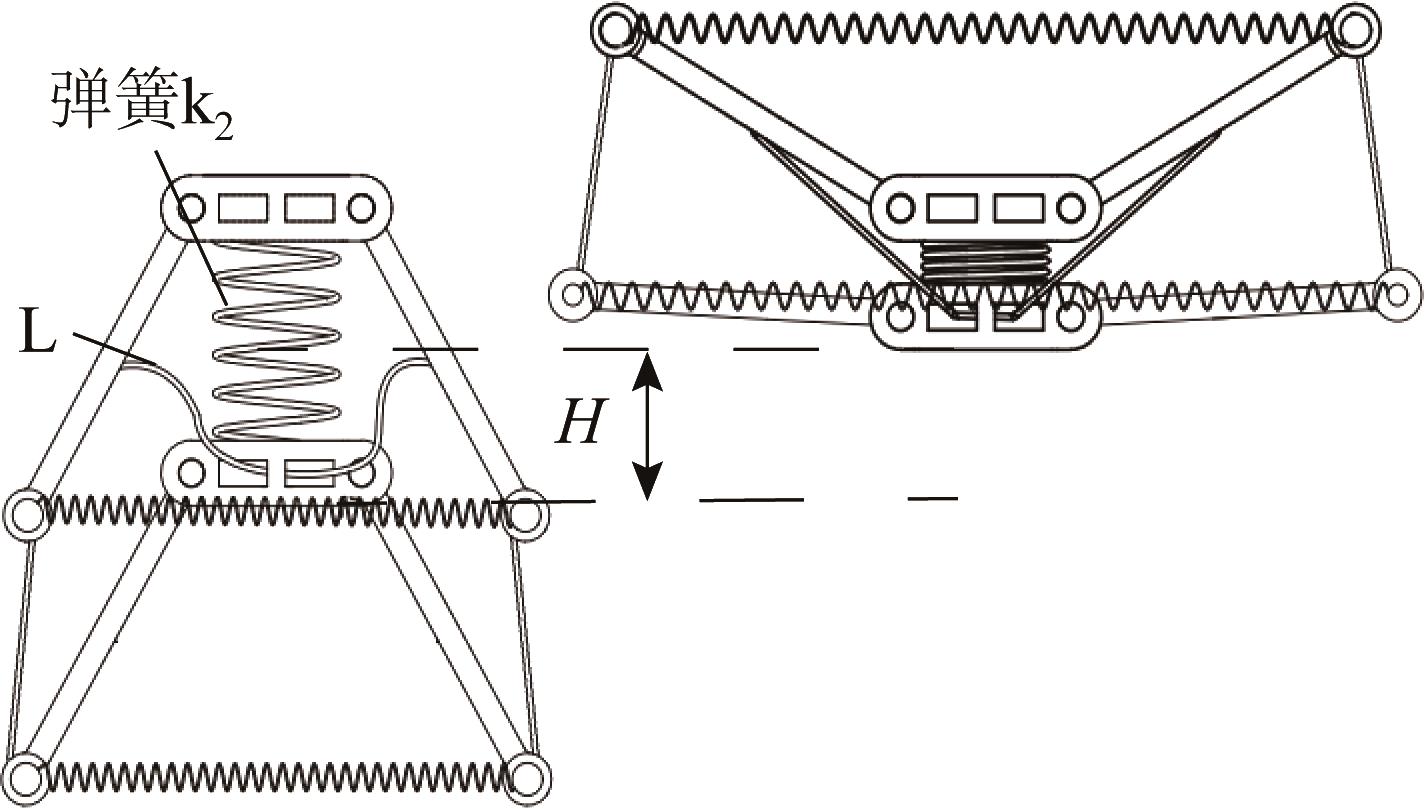
图19  弹簧k₂压缩示意图
图20  平均游动速度与弹簧压缩量的关系
图21  机器人游动速度测试
图22  平均游动速度与驱动周期的关系
  
[1] QU J T, XU Y N, LI Z K, et al. Recent advances on underwater soft robots[J]. Advanced Intelligent Systems, 2024, 6(2): 2300299.
[2] 苏宗帅. 水陆两栖仿生机器人研究进展及应用[J]. 国防科技, 2019, 40(4): 50-54.
SU Z S. Research developments of amphibious biomimetic robots and applications[J]. National Defense Science & Technology, 2019, 40(4): 50-54.
[3] GORDLEEVA S Y, KASTALSKIY I A, TSYBINA Y A, et al. Control of movement of underwater swimmers: animals, simulated animates and swimming robots[J]. Physics of Life Reviews, 2023, 47: 211-244.
[4] 乔增, 王神龙, 李凯, 等. 气动双稳态装置驱动的仿喷水推进乌贼结构软体机器人[J]. 机器人, 2023, 45(3): 287-301.
QIAO Z, WANG S L, LI K, et al. Water-jet propelled squid-inspired soft robot driven by pneumatic bistable device[J]. Robot, 2023, 45(3): 287-301.
[5] HARTMANN F, BASKARAN M, RAYNAUD G, et al. Highly agile flat swimming robot[J]. Science Robotics, 2025, 10(99): eadr0721.
[6] CHEN D, WANG B, XIONG Y, et al. Design and analysis of a novel bionic tensegrity robotic fish with a continuum body[J]. Biomimetics, 2024, 9(1): 19.
[7] BI S S, NIU C M, CAI Y R, et al. A waypoint-tracking controller for a bionic autonomous underwater vehicle with two pectoral fins[J]. Advanced Robotics, 2014, 28(10): 673-681.
[8] GAL J M, BLAKE R W. Biomechanics of frog swimming I: estimation of the propulsive force generated by Hymenochirus boettgeri [J]. Journal of Experimental Biology, 1988, 138(1): 399-411.
[9] ILIEVSKI F, MAZZEO A D, SHEPHERD R F, et al. Titelbild: soft robotics for chemists[J]. Angewandte Chemie, 2011, 123(8): 1765.
[10] ZHANG Z, NAN R Y, SHEN H C, et al. A high load capacity and efficient-transporting inchworm-like crawling robot with bistable structure and pneumatic networks actuator[J]. Smart Materials and Structures, 2023, 32(12): 125009.
[11] 李庆中, 李晓丹, 于福杰, 等. 介电弹性体式蛙型仿生软体机器人设计[J]. 兵工学报, 2022, 43(1): 140-147.
LI Q Z, LI X D, YU F J, et al. Dielectric elastomer-driven frog-shaped bionic soft robot[J]. Acta Armamentarii, 2022, 43(1): 140-147.
[12] FAN J Z, WANG S Q, YU Q G, et al. Swimming performance of the frog-inspired soft robot[J]. Soft Robotics, 2020, 7(5): 615-626.
[13] WANG S L, QIAO Z, LI Z L, et al. Jellyfish-inspired soft robot driven by pneumatic bistable actuators[J]. Soft Robotics, 2025, 12(1): 1-12.
[14] OVERVELDE J T B, KLOEK T, D’HAEN J J A, et al. Amplifying the response of soft actuators by harnessing snap-through instabilities[J]. Proceedings of the National Academy of Sciences of the United States of America, 2015, 112(35): 10863-10868.
[15] CHI Y D, LI Y B, ZHAO Y, et al. Bistable and multistable actuators for soft robots: structures, materials, and functionalities[J]. Advanced Materials, 2022, 34(19): 2110384.
[1] 田立勇,敖华,于宁,唐瑞. 更换托辊机器人履带式底盘的仿真与优化[J]. 工程设计学报, 2024, 31(5): 603-613.
[2] 孙宝印,郝永平,张誉瀚,李子洋. 基于数字孪生的热电池保温棉自动缠绕系统研究[J]. 工程设计学报, 2024, 31(4): 538-546.
[3] 杨开科,罗俊鹏,马文静,耿远超,王德恩,袁强. 高带宽压电片变形镜的动力学仿真与优化方法研究[J]. 工程设计学报, 2024, 31(1): 130-136.
[4] 陈洋, 任成祖, 邓晓帆, 陈光, 靳新民. 基于双盘直槽研磨的圆柱滚子自转运动研究[J]. 工程设计学报, 2021, 28(2): 179-189.
[5] 魏雅君, 邱国梁, 丁广和, 杨亮, 刘桁. 一种重载码垛机器人结构优化设计方法[J]. 工程设计学报, 2020, 27(3): 332-339.
[6] 江漪, 彭飞, 卢屹东, 张瑞龙. 新型平置电动防护门设计和仿真分析[J]. 工程设计学报, 2019, 26(5): 513-519.
[7] 崔雪斌, 张宏, 石涛. 基于链环不均匀系数的履带车辆行驶平顺性分析[J]. 工程设计学报, 2018, 25(1): 71-78.
[8] 陈清华,董长帅,徐曼曼,王开松,王传礼. 矿用液压吊装机变幅机构动力学仿真分析[J]. 工程设计学报, 2015, 22(5): 337-343.
[9] 陈清华,董长帅,徐曼曼,王开松,王传礼. 矿用液压吊装机变幅机构动力学仿真分析[J]. 工程设计学报, 2015, 22(4): 337-343.
[10] 惠记庄, 魏芳胜, 高凯, 丁香. 基于ADAMS的冗余驱动并联机器人动力学仿真研究[J]. 工程设计学报, 2012, 19(5): 362-365.
[11] 方水光, 邵丹璐, 金英连, 王斌锐. 柔性仿人机械臂设计与动力学仿真[J]. 工程设计学报, 2012, 19(4): 307-311.
[12] 赵丽娟, 王乘云. 采煤机截割部建模与动力学仿真研究[J]. 工程设计学报, 2010, 17(2): 119-123.
[13] 王伟, 刘世炳, 陈涛, 左铁钏. 新型无阀微泵扩张微流道中流体动力学特性的仿真分析[J]. 工程设计学报, 2005, 12(4): 223-226.